Lansdowne, PA
(610) 626-3338

review us
follow us
like us

Blog

Swollen Feet and Ankles and Their Causes

Swollen feet and ankles, also known as edema, occur when fluid builds up in the tissues of the lower extremities. Common causes include standing for long periods of time, high salt intake, and pregnancy, which can increase pressure on blood vessels and lead to fluid retention. Other contributing factors may involve poor circulation, injury, or underlying medical conditions. Risk factors include obesity, a sedentary lifestyle, aging, and certain heart or kidney issues that affect fluid balance. A podiatrist can evaluate the cause of swelling, assess circulation and foot structure, and recommend supportive footwear, compression therapy, and lifestyle modifications to reduce discomfort. Early evaluation is important to rule out serious conditions and improve mobility. If your feet or ankles are consistently swollen, it is suggested that you consult a podiatrist who can offer effective relief solutions.

Swollen feet can be a sign of an underlying condition. If you have any concerns, contact Dr. George Yarnell of Pennsylvania. Our doctor can provide the care you need to keep you pain-free and on your feet.

Swollen feet are a common ailment among pregnant women and people who stand or sit for extended periods. Aging may increase the possibility of swollen feet and patients who are obese often notice when their feet are swelling too. There may be medical reasons why swollen feet occur:

  • Phlebitis - A condition that causes the veins to become inflamed and can also cause leg pain.
  • Liver disease - This may lead to low blood levels of albumin which is a protein. This can cause fluid in the blood to pass into the tissues and several areas of the body can become swollen.
  • Heart failure - When the heart doesn’t pump properly the blood that is normally pumped back to the heart can pool in the veins of the legs causing swollen feet.
  • Kidney disease - One of the main functions of the kidneys is releasing excess fluid in the body. This type of condition can make it difficult for the kidneys to function properly, and as a result the feet may become swollen.
  • Deep-vein thrombosis (DVT)- This is a serious condition where blood clots form in the veins of the legs. They can block the return of blood from the legs to the heart which may cause the feet to swell. It is important to be treated by a podiatrist if this condition is present.

Swollen feet can also be caused by bone and tendon conditions, including fractures, arthritis, and tendinitis. Additionally, there may be skin and toenail conditions and an infection may cause the feet to swell. Patients who take medicine to treat high blood pressure may be prone to getting swollen feet. 

Many patients elevate their feet to help relieve the swelling and this is generally a temporary remedy. When a podiatrist is consulted the reason behind the swelling can be uncovered and subsequently treated.

If you have any questions please contact our office located in Lansdowne, PA . We offer the newest diagnostic and treatment technologies for all your foot and ankle needs.

Read more about Swelling of the Feet

Peripheral Vascular Disease and Foot Health

Peripheral vascular disease affects blood flow to the limbs, especially the legs and feet, due to narrowed or blocked blood vessels. It is often caused by a buildup of fatty deposits in the arteries that restrict circulation. Symptoms include leg pain, cramping, slow-healing foot wounds, and changes in skin color or texture. Also, it may cause the feet to become cold and numb. Risk factors include smoking, diabetes, high blood pressure, high cholesterol, and lack of physical activity. Poor circulation can increase the risk of infection and tissue damage. A podiatrist can help by monitoring foot health, managing wounds, and providing guidance to improve circulation and prevent complications. If you notice changes in your feet, and have symptoms of this condition, it is suggested that you  seek podiatric care for guidance.

Poor circulation is a serious condition and needs immediate medical attention. If you have any concerns with poor circulation in your feet contact Dr. George Yarnell of Pennsylvania. Our doctor will treat your foot and ankle needs.

Poor Circulation in the Feet

Poor blood circulation in the feet and legs is can be caused by peripheral artery disease (PAD), which is the result of a buildup of plaque in the arteries.

Plaque buildup or atherosclerosis results from excess calcium and cholesterol in the bloodstream. This can restrict the amount of blood which can flow through the arteries. Poor blood circulation in the feet and legs are sometimes caused by inflammation in the blood vessels, known as vasculitis.

Causes

Lack of oxygen and oxygen from poor blood circulation restricts muscle growth and development. It can also cause:

  • Muscle pain, stiffness, or weakness 
  • Numbness or cramping in the legs
  • Skin discoloration
  • Slower nail & hair growth
  • Erectile dysfunction

Those who have diabetes or smoke are at greatest risk for poor circulation, as are those who are over 50. If you have poor circulation in the feet and legs it may be caused by PAD and is important to make changes to your lifestyle in order to reduce risk of getting a heart attack or stroke. Exercise and maintaining a healthy lifestyle will dramatically improve conditions.

As always, see a podiatrist as he or she will assist in finding a regimen that suits you. A podiatrist can also prescribe you any needed medication. 

If you have any questions, please feel free to contact our office located in Lansdowne, PA . We offer the newest diagnostic and treatment technologies for all your foot care needs.
Read more about Causes, Symptoms, and Treatment of Poor Blood Circulation in the Feet

Hidden Risks of Everyday Pedicures

Pedicures can feel relaxing and leave feet looking well cared for, but they also carry a risk of infection, if proper hygiene is not followed. Small nicks in the skin, aggressive cuticle trimming, or the use of non-sterile tools can allow bacteria or fungi to enter. This may lead to redness, swelling, pain, or changes in the nails, including thickening or discoloration. Shared foot baths that are not thoroughly cleaned between clients can also harbor microorganisms that increase the chance of skin or nail problems. Even minor irritation can become more serious if left untreated, especially for those with sensitive skin or underlying health conditions. Choosing a salon that follows strict cleaning protocols and avoiding shaving before a pedicure can help reduce risk. Paying attention to any changes after a visit is important. If you notice signs of infection, it is suggested that you see a podiatrist for a proper diagnosis and immediate treatment.

Everyday foot care is very important to prevent infection and other foot ailments. If you need your feet checked, contact Dr. George Yarnell from Pennsylvania. Our doctor can provide the care you need to keep you pain-free and on your feet.

Everyday Foot Care

Often, people take care of their bodies, face and hair more so than they do for their feet. But the feet are a very important aspect of our bodies, and one that we should pay more attention to. Without our feet, we would not be able to perform most daily tasks.

It is best to check your feet regularly to make sure there are no new bruises or cuts that you may not have noticed before. For dry feet, moisturizer can easily be a remedy and can be applied as often as necessary to the affected areas. Wearing shoes that fit well can also help you maintain good foot health, as well as making it easier to walk and do daily activities without the stress or pain of ill-fitting shoes, high heels, or even flip flops. Wearing clean socks with closed shoes is important to ensure that sweat and bacteria do not accumulate within the shoe. Clean socks help to prevent Athlete’s foot, fungi problems, bad odors, and can absorb sweat.

If you have any questions, please feel free to contact our office located in Lansdowne, PA . We offer the newest diagnostic and treatment technologies for all your foot care needs.

Read more about Everyday Foot Care

When a Lump on the Sole of the Foot Needs Attention

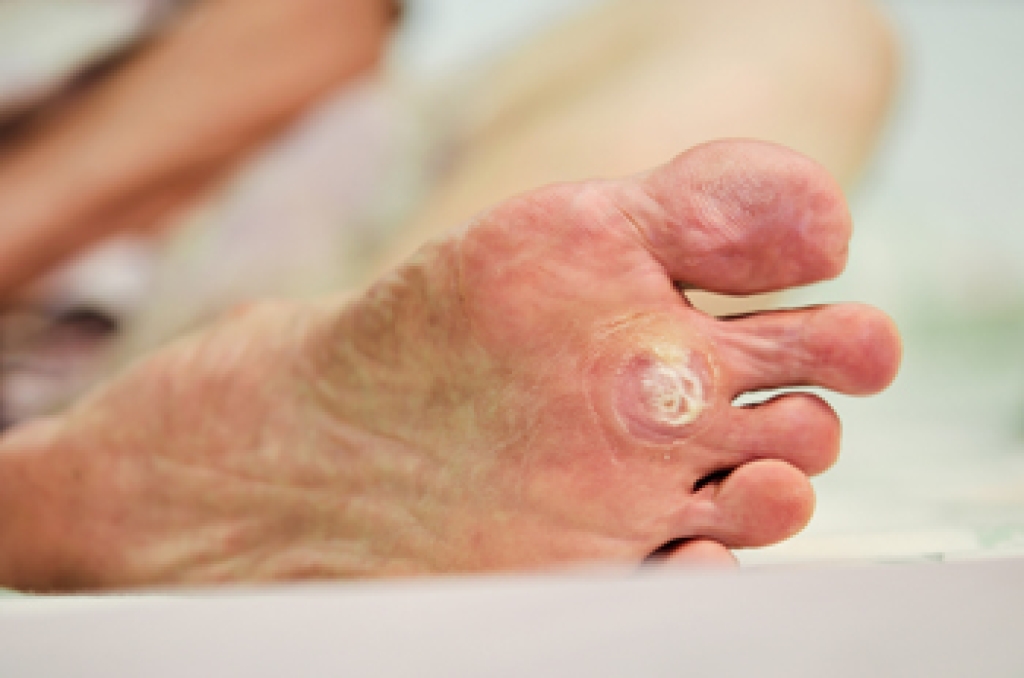
A bump on the bottom of the foot can be caused by several conditions, including plantar fibromas, calluses, or plantar warts. Plantar fibromas are firm nodules within the arch that may feel like a small knot under the skin. Calluses develop from repeated pressure or friction and appear as thickened, hardened skin that can become uncomfortable over time. Plantar warts are caused by a viral infection and may look rough with small dark dots, often feeling tender with pressure. Some bumps remain painless, while others cause discomfort when walking or standing. The area may look raised, thickened, or irregular depending on the cause, and many patients describe a sensation of stepping on something. A podiatrist can evaluate the size, texture, and location of the bump and may use imaging or gentle debridement to confirm the diagnosis. Treatment options include padding, orthotics, or in-office procedures. If you have a troublesome bump on the bottom of your foot, it is suggested that you make an appointment with a podiatrist.

Foot Pain

Foot pain can be extremely painful and debilitating. If you have a foot pain, consult with Dr. George Yarnell from Pennsylvania. Our doctor will assess your condition and provide you with quality foot and ankle treatment.

Causes

Foot pain is a very broad condition that could be caused by one or more ailments. The most common include:

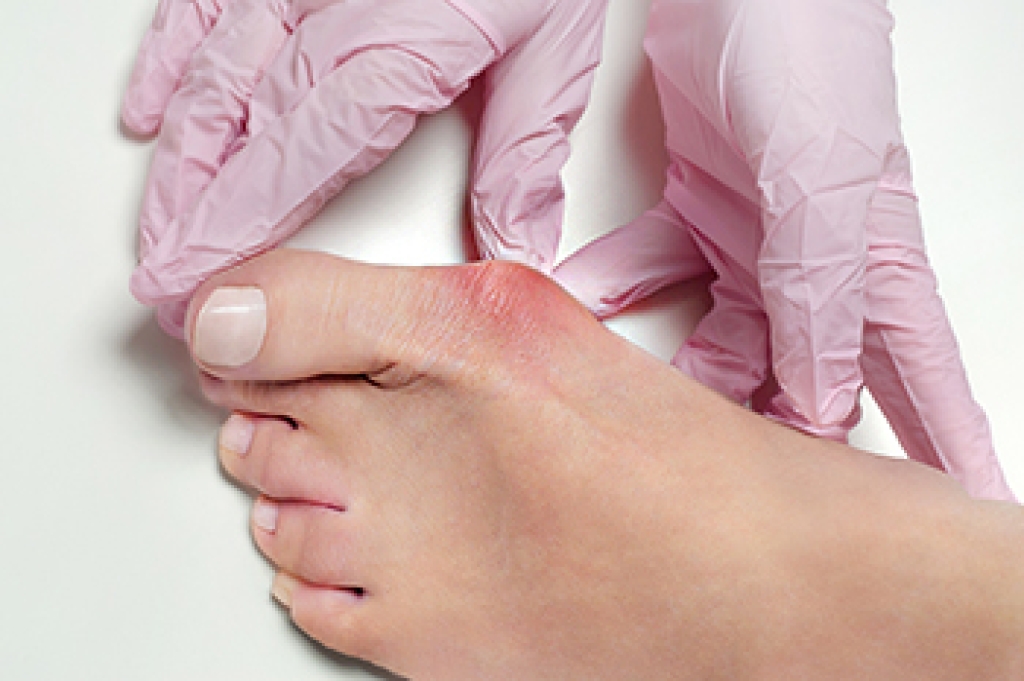
  • Bunions
  • Hammertoes
  • Plantar Fasciitis
  • Bone Spurs
  • Corns
  • Tarsal Tunnel Syndrome
  • Ingrown Toenails
  • Arthritis (such as Gout, Rheumatoid, and Osteoarthritis)
  • Flat Feet
  • Injury (from stress fractures, broken toe, foot, ankle, Achilles tendon ruptures, and sprains)
  • And more

Diagnosis

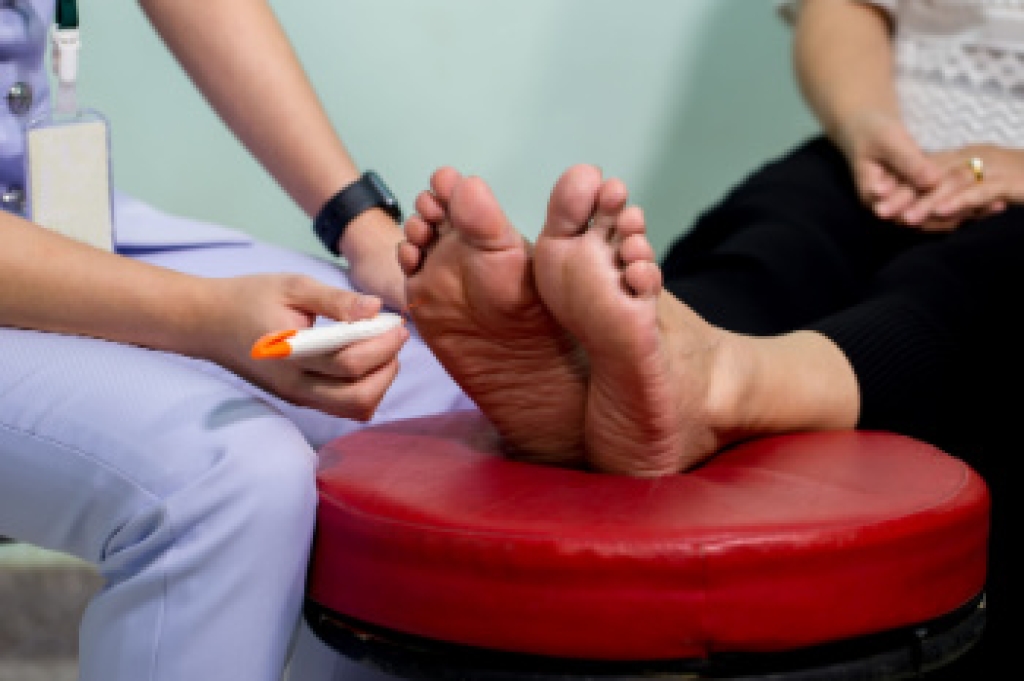
To figure out the cause of foot pain, podiatrists utilize several different methods. This can range from simple visual inspections and sensation tests to X-rays and MRI scans. Prior medical history, family medical history, and any recent physical traumatic events will all be taken into consideration for a proper diagnosis.

Treatment

Treatment depends upon the cause of the foot pain. Whether it is resting, staying off the foot, or having surgery; podiatrists have a number of treatment options available for foot pain.

If you have any questions, please feel free to contact our office located in Lansdowne, PA . We offer the newest diagnostic and treatment technologies for all your foot care needs.

Read more about Foot Pain

Are You Suffering From Ingrown Toenails?

If left untreated, an ingrown toenail can lead to more serious concerns, such as an infection. Knowing proper nail care can help in the prevention of an ingrown toenail. Give us a call, and get treated!

Connect with us
like us follow us read our vlog