Lansdowne, PA
(610) 626-3338

review us
follow us
like us

Blog

Orthotics for Flat Foot Pain

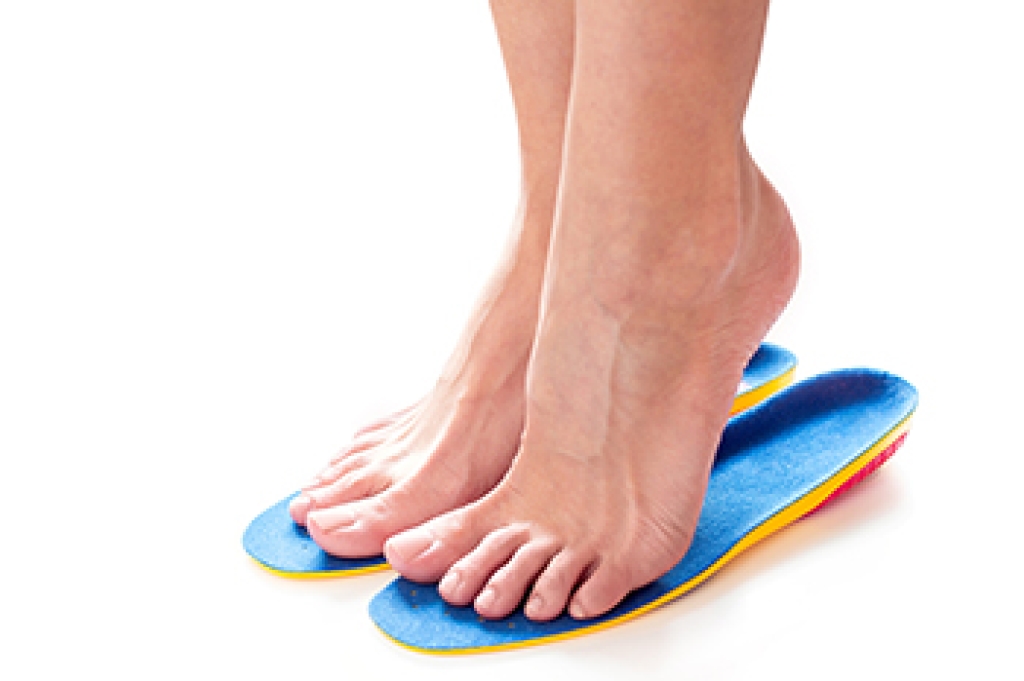
Flat feet, also known as fallen arches, can be a source of persistent discomfort. Fortunately, orthotics can offer a valuable solution for many individuals suffering from flat foot pain. These custom-made shoe inserts are designed to provide support and correct foot alignment, ultimately alleviating pain and enhancing overall foot function. Orthotics work by helping distribute the weight-bearing load more evenly across the foot, which reduces stress on the arch and related structures. They can aid in controlling overpronation, a common issue where the foot rolls excessively inward upon impact. By stabilizing the foot and optimizing alignment, orthotics can enhance shock absorption and reduce pain associated with flat feet. They also offer increased comfort and may prevent further complications, such as shin splints or stress fractures. When you choose custom orthotics tailored to your specific foot structure, these inserts can make a significant difference in your comfort and mobility. If you experience flat foot pain, it is suggested that you consult a podiatrist to determine the best orthotic solution for your needs.  

If you are having discomfort in your feet and would like to try orthotics, contact Dr. George Yarnell from Pennsylvania. Our doctor can provide the care you need to keep you pain-free and on your feet.

What Are Orthotics?

Orthotics are inserts you can place into your shoes to help with a variety of foot problems such as flat feet or foot pain. Orthotics provide relief and comfort for minor foot and heel pain but can’t correct serious biomechanical problems in your feet.

Over-the-Counter Inserts

Orthotics come in a wide variety of over-the-counter inserts that are used to treat foot pain, heel pain, and minor problems. For example, arch supports can be inserted into your shoes to help correct overarched or flat feet, while gel insoles are often used because they provide comfort and relief from foot and heel pain by alleviating pressure.

Prescription Orthotics

If over-the-counter inserts don’t work for you or if you have a more severe foot concern, it is possible to have your podiatrist prescribe custom orthotics. These high-quality inserts are designed to treat problems such as abnormal motion, plantar fasciitis, and severe forms of heel pain. They can even be used to help patients suffering from diabetes by treating foot ulcers and painful calluses and are usually molded to your feet individually, which allows them to provide full support and comfort.

If you are experiencing minor to severe foot or heel pain, it’s recommended to speak with your podiatrist about the possibilities of using orthotics. A podiatrist can determine which type of orthotic is right for you and allow you to take the first steps towards being pain-free.

If you have any questions, please feel free to contact our office located in Lansdowne, PA . We offer the newest diagnostic and treatment technologies for all your foot care needs.
Read more about Foot Orthotics

Foot Care Tips for Diabetics

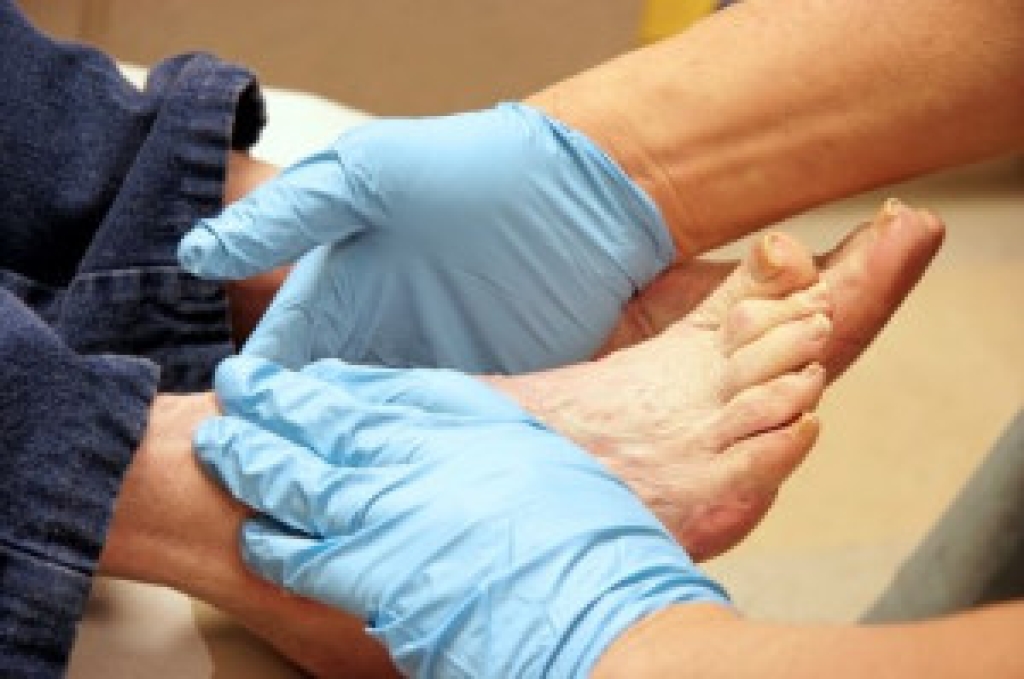
Diabetics should make it a habit to thoroughly inspect their feet daily. Pay close attention to the gaps between your toes, the soles of your feet, and your toenails. If you notice any wounds, sores, or abnormalities, consult a podiatrist promptly. Choosing well-fitting shoes and socks is vital. Ill-fitting footwear can lead to discomfort and potentially dangerous issues, especially for those with diabetic neuropathy, which causes reduced sensation in the feet. People with neuropathy may not feel the pain of a foot sore, leading to wound neglect and infection. Regularly wash your feet with warm water to keep them clean and free from dirt and pathogens. Dry them thoroughly and apply a mild moisturizer to the soles and the tops of your feet, excluding the gaps between your toes. Avoid going barefoot, even at home. Wear shoes outdoors and opt for socks when indoors to protect your feet from injury. Incorporate daily physical activity, such as walking, to boost blood circulation to your legs and feet and help to prevent diabetic neuropathy. Trim your toenails or trim them with extreme caution to avoid injuries, ingrown nails, or skin chipping. Neglected wounds can escalate to gangrene, a severe condition that may necessitate amputation. It is suggested that you make a podiatrist a part of your medical team to regularly monitor your feet' health.

Diabetic foot care is important in preventing foot ailments such as ulcers. If you are suffering from diabetes or have any other concerns about your feet, contact Dr. George Yarnell from Pennsylvania. Our doctor can provide the care you need to keep you pain-free and on your feet.

Diabetic Foot Care

Diabetes affects millions of people every year. The condition can damage blood vessels in many parts of the body, especially the feet. Because of this, taking care of your feet is essential if you have diabetes, and having a podiatrist help monitor your foot health is highly recommended.

The Importance of Caring for Your Feet

  • Routinely inspect your feet for bruises or sores.
  • Wear socks that fit your feet comfortably.
  • Wear comfortable shoes that provide adequate support.

Patients with diabetes should have their doctor monitor their blood levels, as blood sugar levels play such a huge role in diabetic care. Monitoring these levels on a regular basis is highly advised.

It is always best to inform your healthcare professional of any concerns you may have regarding your feet, especially for diabetic patients. Early treatment and routine foot examinations are keys to maintaining proper health, especially because severe complications can arise if proper treatment is not applied.

If you have any questions, please feel free to contact our office located in Lansdowne, PA . We offer the newest diagnostic and treatment technologies for all your foot care needs.

Read more about How to Care for Diabetic Foot

Common Causes of Foot Pain in Seniors

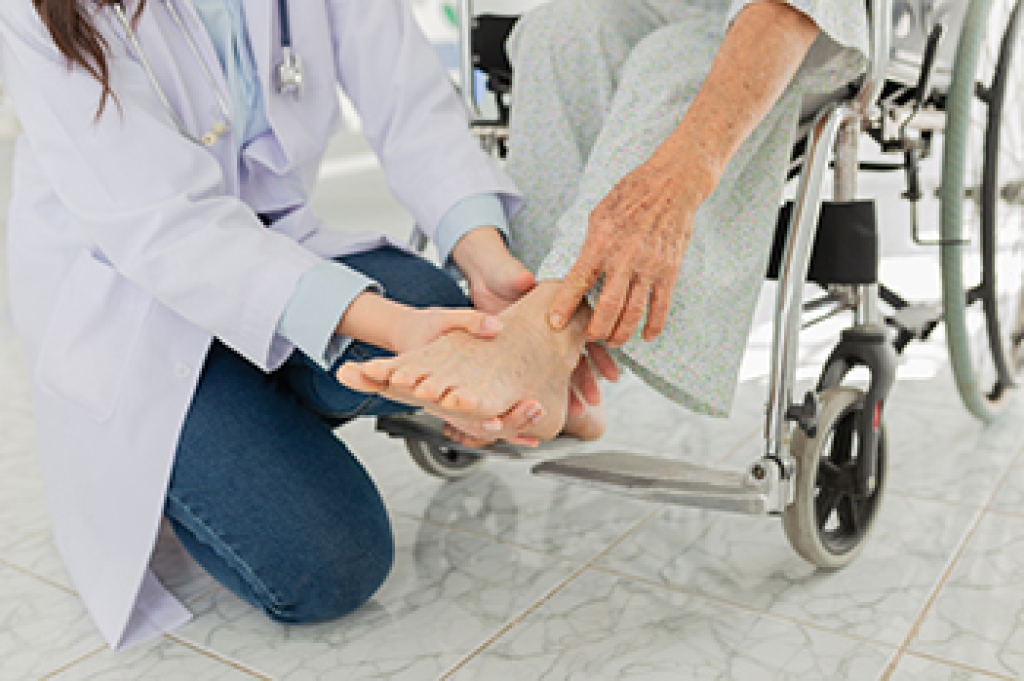
Foot pain is a common complaint among seniors, affecting approximately 20 percent of older adults regularly. Among the most common causes of foot pain in seniors are stress fractures, heel pain, diabetic neuropathy, gout, and blood clots. Seniors are more susceptible to stress fractures due to age-related changes in bone density. Stress fractures are tiny cracks in bones that typically manifest as pain during activity, but subside with rest. Plantar fasciitis, characterized by irritation and inflammation of the plantar fascia ligament on the sole of the foot, can cause persistent heel pain. Diabetes frequently leads to neuropathy, which causes tingling, burning, or numbness in the feet. Regular foot monitoring and care are essential for individuals with diabetes to prevent complications. A podiatrist can help manage conditions such as corns, calluses, and nail care. Gout, a form of inflammatory arthritis, typically affects the big toe. Sudden and severe pain, especially at night, may indicate gout. Blood tests or joint fluid analysis can confirm the diagnosis. Deep vein thrombosis, or a blood clot, is often associated with leg swelling and pain, but it can also cause sudden and severe pain in the ankle or foot. Seniors, especially those who smoke, are overweight, or are sedentary, may be at a higher risk. If you are experiencing foot or ankle pain that persists or worsens, it is suggested that you make an appointment with a podiatrist for treatment options.

Proper foot care is something many older adults forget to consider. If you have any concerns about your feet and ankles, contact Dr. George Yarnell from Pennsylvania. Our doctor can provide the care you need to keep you pain-free and on your feet.

The Elderly and Their Feet

As we age we start to notice many changes in our body, but the elder population may not notice them right away. Medical conditions may prevent the elderly to take notice of their foot health right away. Poor vision is a lead contributor to not taking action for the elderly.

Common Conditions 

  • Neuropathy – can reduce feeling in the feet and can hide many life-threatening medical conditions.
  • Reduced flexibility – prevents the ability of proper toenail trimming, and foot cleaning. If left untreated, it may lead to further medical issues.
  • Foot sores – amongst the older population can be serious before they are discovered. Some of the problematic conditions they may face are:
  • Gouging toenails affecting nearby toe
  • Shoes that don’t fit properly
  • Pressure sores
  • Loss of circulation in legs & feet
  • Edema & swelling of feet and ankles

Susceptible Infections

Diabetes and poor circulation can cause general loss of sensitivity over the years, turning a simple cut into a serious issue.

If you have any questions, please feel free to contact our office located in Lansdowne, PA . We offer the newest diagnostic and treatment technologies for all your foot care needs.
Read more about Elderly and their Feet

Managing Ganglion Cysts on the Feet

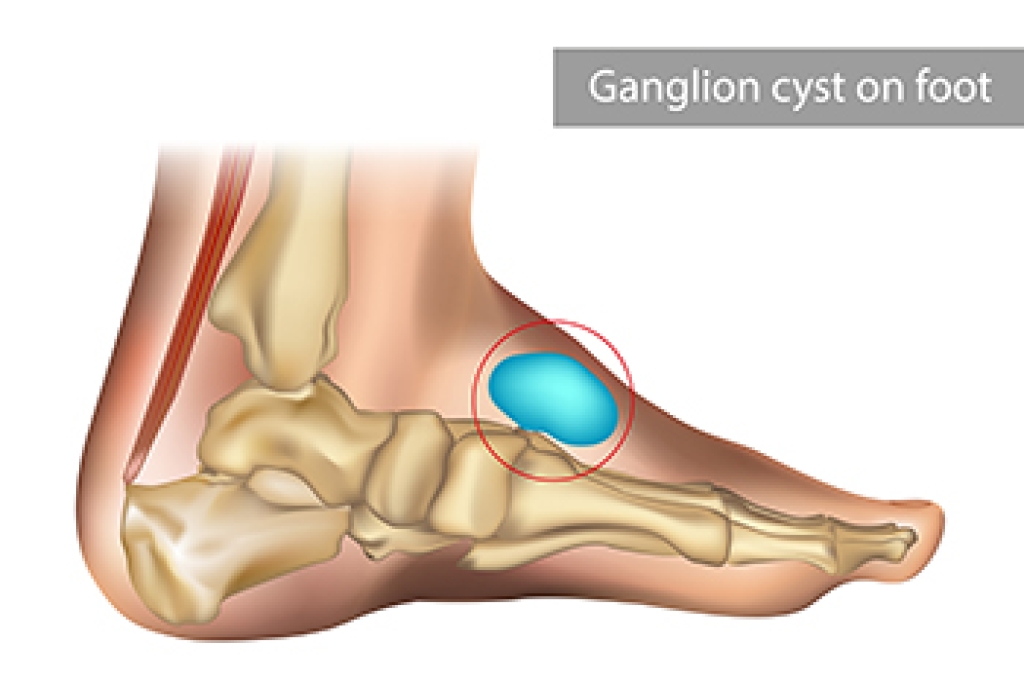
Ganglion cysts may not be a commonly heard term when it comes to foot issues, but they can affect the feet. These benign lumps are typically filled with a jelly-like fluid and often appear on tendons or joints. Symptoms of ganglion cysts on the feet include a noticeable lump or bump on the top of the foot, near the toes or ankle. You may also experience discomfort or pain, especially while walking or wearing tight-fitting shoes. In some cases, the cyst can press on nearby nerves, leading to tingling or numbness in the affected area. Ganglion cysts on the feet can develop due to irritation or trauma to the nearby joints or tendons, but they are generally thought to be harmless. However, they can cause discomfort or pain, especially when they press on surrounding nerves. Treatment options for ganglion cysts on the feet vary, and in some cases, they may resolve on their own. But if a ganglion cyst causes pain or interferes with your daily activities, it is suggested that you make an appointment with a podiatrist who can recommend treatments such as aspiration, or fluid removal. In rare cases, surgical removal may be prescribed. 

Foot Pain

Foot pain can be extremely painful and debilitating. If you have a foot pain, consult with Dr. George Yarnell from Pennsylvania. Our doctor will assess your condition and provide you with quality foot and ankle treatment.

Causes

Foot pain is a very broad condition that could be caused by one or more ailments. The most common include:

  • Bunions
  • Hammertoes
  • Plantar Fasciitis
  • Bone Spurs
  • Corns
  • Tarsal Tunnel Syndrome
  • Ingrown Toenails
  • Arthritis (such as Gout, Rheumatoid, and Osteoarthritis)
  • Flat Feet
  • Injury (from stress fractures, broken toe, foot, ankle, Achilles tendon ruptures, and sprains)
  • And more

Diagnosis

To figure out the cause of foot pain, podiatrists utilize several different methods. This can range from simple visual inspections and sensation tests to X-rays and MRI scans. Prior medical history, family medical history, and any recent physical traumatic events will all be taken into consideration for a proper diagnosis.

Treatment

Treatment depends upon the cause of the foot pain. Whether it is resting, staying off the foot, or having surgery; podiatrists have a number of treatment options available for foot pain.

If you have any questions, please feel free to contact our office located in Lansdowne, PA . We offer the newest diagnostic and treatment technologies for all your foot care needs.

Read more about Foot Pain
Connect with us
like us follow us read our vlog