Lansdowne, PA
(610) 626-3338

review us
follow us
like us

Blog

Tendon and Ligament Foot Injuries

Tendon and ligament injuries in the feet can cause significant pain and affect mobility, but they differ in nature and origin. Tendon injuries involve the thick bands of tissue that connect muscles to bones, enabling movement. Common tendon injuries include tendinitis, which is inflammation from overuse or strain, and tendon tears, which may result from trauma or repetitive stress. Symptoms often include localized pain, swelling, and difficulty moving the affected area. Ligament injuries, on the other hand, affect the tissues that connect bones at joints, providing stability. Sprains are the most frequent ligament injuries, occurring when ligaments are overstretched or torn, often from sudden twisting or falls. Ligament injuries can lead to joint instability, bruising, swelling, and difficulty bearing weight. A podiatrist can identify the specific cause of pain through a physical exam and digital imaging. Treatment may include targeted exercises, bracing, or surgery for severe cases. If you have foot or ankle pain related to tendons or ligaments, it is suggested that you schedule an appointment with a podiatrist for an exam and treatment options.

If you have any concerns about your feet, contact Dr. George Yarnell from Pennsylvania. Our doctor can provide the care you need to keep you pain-free and on your feet.

Biomechanics in Podiatry

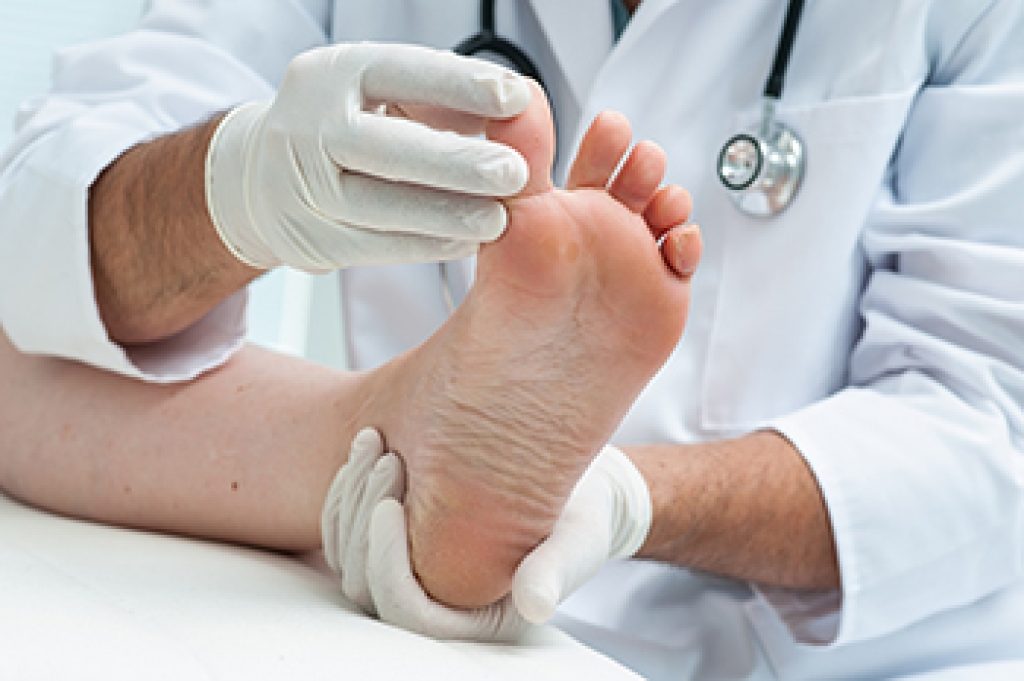
Podiatric biomechanics is a particular sector of specialty podiatry with licensed practitioners who are trained to diagnose and treat conditions affecting the foot, ankle and lower leg. Biomechanics deals with the forces that act against the body, causing an interference with the biological structures. It focuses on the movement of the ankle, the foot and the forces that interact with them.

A History of Biomechanics

  • Biomechanics dates back to the BC era in Egypt where evidence of professional foot care has been recorded.
  • In 1974, biomechanics gained a higher profile from the studies of Merton Root, who claimed that by changing or controlling the forces between the ankle and the foot, corrections or conditions could be implemented to gain strength and coordination in the area.

Modern technological improvements are based on past theories and therapeutic processes that provide a better understanding of podiatric concepts for biomechanics. Computers can provide accurate information about the forces and patterns of the feet and lower legs.

Understanding biomechanics of the feet can help improve and eliminate pain, stopping further stress to the foot.

If you have any questions please feel free to contact our office located in Lansdowne, PA . We offer the newest diagnostic and treatment technologies for all your foot and ankle needs.
Read more about Biomechanics in Podiatry

Healing Toe Fractures

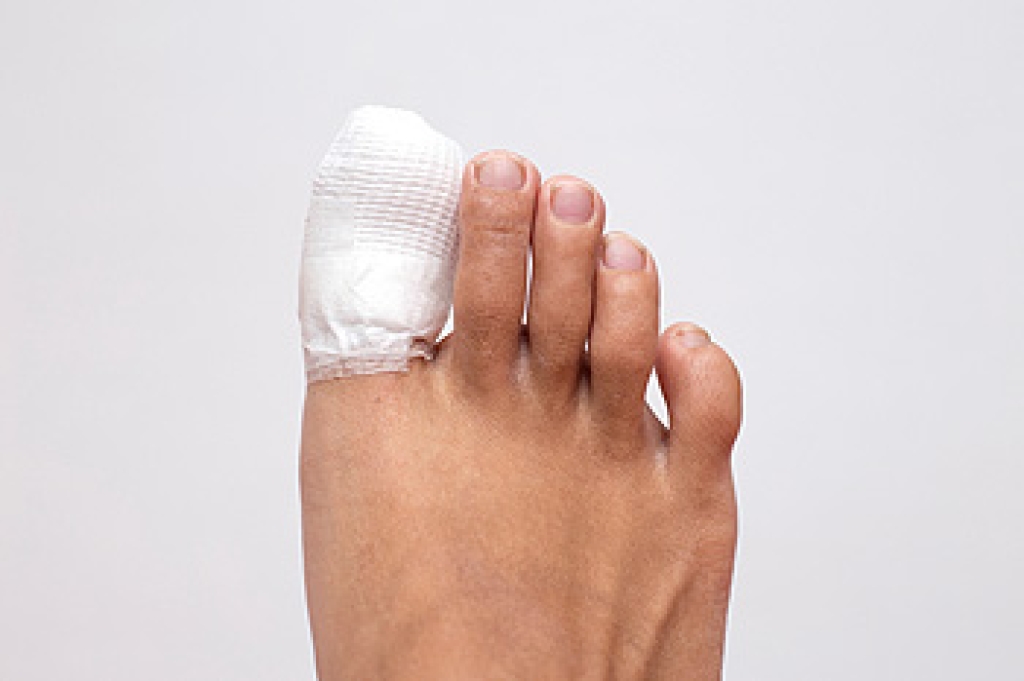
Returning to your favorite sport after a toe fracture requires patience and care. Whether it is an acute injury or a stress fracture, the healing process depends on resting and avoiding pressure on the affected toe. Gradually reintroduce weight-bearing activities as your pain decreases and mobility improves. Wearing supportive footwear with stiff soles or custom orthotics can reduce stress on the toe during recovery. Stretching and strengthening exercises help restore range of motion and prevent stiffness. Overdoing it can delay healing. Always listen to your body as pain is a signal to back off. Before jumping back into full activity, it is suggested that you consult a podiatrist to ensure proper alignment and healing. They can guide you on the safest way to return to play, so you avoid setbacks or reinjury.

Broken toes may cause a lot of pain and should be treated as soon as possible. If you have any concerns about your feet, contact Dr. George Yarnell from Pennsylvania. Our doctor will treat your foot and ankle needs.

What Is a Broken Toe?

A broken toe occurs when one or more of the toe bones of the foot are broken after an injury. Injuries such as stubbing your toe or dropping a heavy object on it may cause a toe fracture.

Symptoms of a Broken Toe

  • Swelling
  • Pain (with/without wearing shoes)
  • Stiffness
  • Nail Injury

Although the injured toe should be monitored daily, it is especially important to have a podiatrist look at your toe if you have severe symptoms. Some of these symptoms include worsening or new pain that is not relieved with medication, sores, redness, or open wounds near the toe.

If you have any questions please feel free to contact our office located in Lansdowne, PA . We offer the newest diagnostic tools and technology to treat your foot and ankle needs.

Read more about What to Know About a Broken Toe

Differences Between Psoriasis and Athlete’s Foot

Psoriasis and athlete's foot are two distinct conditions that can affect the feet, but they differ significantly in cause, symptoms, and treatment. Psoriasis is an autoimmune disorder causing thick, scaly, and often itchy patches of skin. It is not contagious and may be triggered by stress, genetics, or environmental factors. In contrast, athlete's foot is a contagious fungal infection caused by dermatophytes thriving in warm, damp environments like locker rooms and shoes. It presents as red, itchy, peeling skin, often between the toes. Prevention varies by condition. Psoriasis management includes avoiding triggers and keeping skin moisturized, while athlete's foot requires keeping feet dry, using antifungal powders, and wearing breathable footwear. Treatments also differ. Psoriasis is managed with topical steroids or systemic medications, while athlete's foot responds to antifungal creams. If you are experiencing either of these foot problems, it is suggested that you schedule an appointment with a podiatrist who can diagnose and tailor treatment care effectively.

Athlete’s Foot

Athlete’s foot is often an uncomfortable condition to experience. Thankfully, podiatrists specialize in treating athlete’s foot and offer the best treatment options. If you have any questions about athlete’s foot, consult with Dr. George Yarnell from Pennsylvania. Our doctor will assess your condition and provide you with quality treatment.

What Is Athlete’s Foot?

Tinea pedis, more commonly known as athlete’s foot, is a non-serious and common fungal infection of the foot. Athlete’s foot is contagious and can be contracted by touching someone who has it or infected surfaces. The most common places contaminated by it are public showers, locker rooms, and swimming pools. Once contracted, it grows on feet that are left inside moist, dark, and warm shoes and socks.

Prevention

The most effective ways to prevent athlete’s foot include:

  • Thoroughly washing and drying feet
  • Avoid going barefoot in locker rooms and public showers
  • Using shower shoes in public showers
  • Wearing socks that allow the feet to breathe
  • Changing socks and shoes frequently if you sweat a lot

Symptoms

Athlete’s foot initially occurs as a rash between the toes. However, if left undiagnosed, it can spread to the sides and bottom of the feet, toenails, and if touched by hand, the hands themselves. Symptoms include:

  • Redness
  • Burning
  • Itching
  • Scaly and peeling skin

Diagnosis and Treatment

Diagnosis is quick and easy. Skin samples will be taken and either viewed under a microscope or sent to a lab for testing. Sometimes, a podiatrist can diagnose it based on simply looking at it. Once confirmed, treatment options include oral and topical antifungal medications.

If you have any questions, please feel free to contact our office located in Lansdowne, PA . We offer the newest diagnostic and treatment technologies for all your foot care needs.

Read more about Athlete’s Foot

What Causes a Bunion?

A bunion is a bony bump that forms at the base of the big toe, where it angles toward the second toe. This condition occurs when the bones in the front of the foot shift out of alignment, causing the big toe to lean inward. Over time, the misalignment leads to the formation of a prominent bump on the joint. Symptoms of bunions include pain, swelling, redness, and the development of calluses or corns where the toes rub against the shoe. The pain can worsen with prolonged standing or walking. Common causes of bunions include genetics, wearing tight or ill-fitting shoes, and excessive pressure on the feet. Conditions like arthritis or flat feet can also contribute to the development of bunions. While bunions may be managed with conservative treatments, surgery may be needed for severe cases to restore normal foot function and alleviate pain. If you have symptoms of a bunion, it is suggested that you consult a podiatrist who can guide you toward treatment methods that are right for you.

If you are suffering from bunion pain, contact Dr. George Yarnell of Pennsylvania. Our doctor can provide the care you need to keep you pain-free and on your feet.

What Is a Bunion?

Bunions are painful bony bumps that usually develop on the inside of the foot at the joint of the big toe. As the deformity increases over time, it may become painful to walk and wear shoes. Women are more likely to exacerbate existing bunions since they often wear tight, narrow shoes that shift their toes together. Bunion pain can be relieved by wearing wider shoes with enough room for the toes.

Causes

  • Genetics – some people inherit feet that are more prone to bunion development
  • Inflammatory Conditions - rheumatoid arthritis and polio may cause bunion development

Symptoms

  • Redness and inflammation
  • Pain and tenderness
  • Callus or corns on the bump
  • Restricted motion in the big toe

In order to diagnose your bunion, your podiatrist may ask about your medical history, symptoms, and general health. Your doctor might also order an x-ray to take a closer look at your feet. Nonsurgical treatment options include orthotics, padding, icing, changes in footwear, and medication. If nonsurgical treatments don’t alleviate your bunion pain, surgery may be necessary.

If you have any questions, please feel free to contact our office located in Lansdowne, PA . We offer the newest diagnostic and treatment technologies for all your foot care needs.

Read more about What Are Bunions?

Heel Pain Can Be Treated!

Do you suffer from heel pain when you get up in the morning? If so, you should seek professional help and have a proper diagnosis performed. Heel pain can be caused by several different foot-related conditions.

Connect with us
like us follow us read our vlog