
Your feet are covered most of the day. If you're diabetic, periodic screening is important for good health. Numbness is often a sign of diabetic foot and can mask a sore or wound.

Lansdowne, PA
(610) 626-3338


Your feet are covered most of the day. If you're diabetic, periodic screening is important for good health. Numbness is often a sign of diabetic foot and can mask a sore or wound.
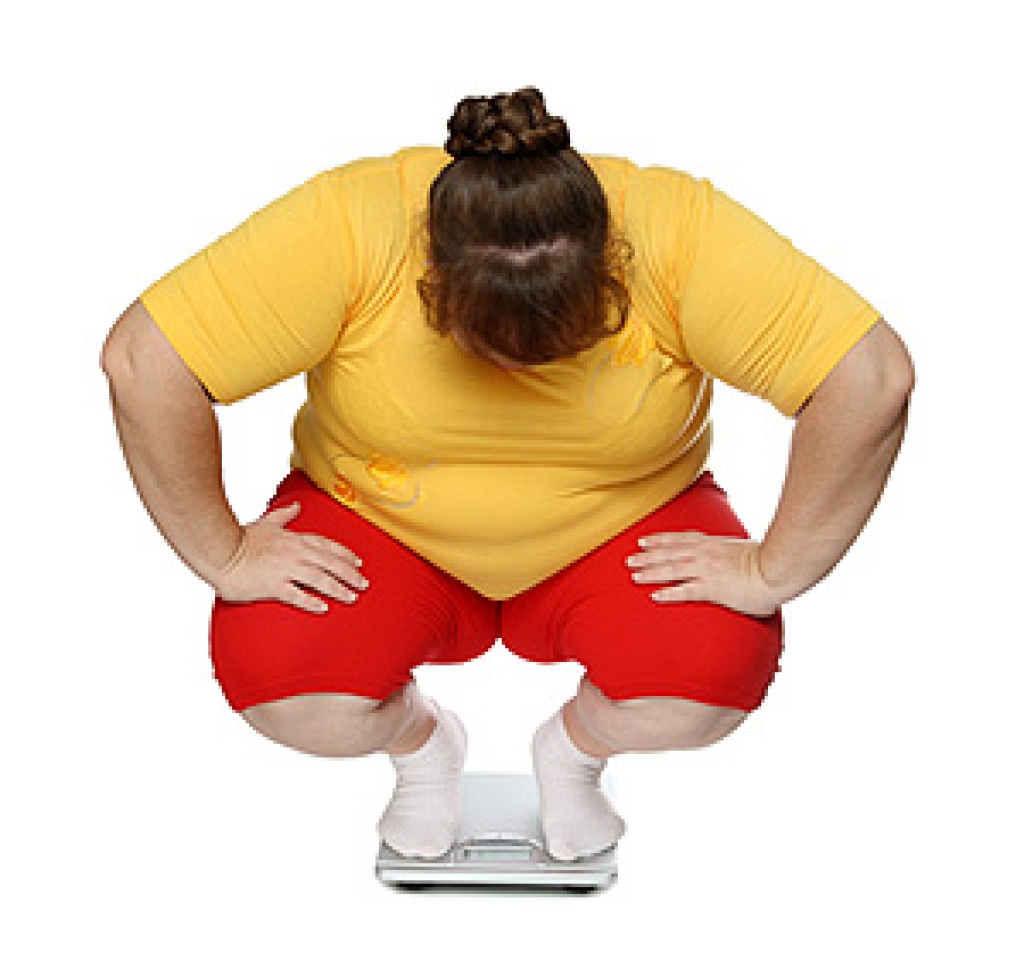 Patients who are overweight may experience chronic heel pain. This may be a result of the additional weight the heels endure while standing and walking. A common cause of heel pain is plantar fasciitis, and this affects the portion of tissue that connects the heel to the toes. Patients can experience a moderate level of relief when excess weight is reduced, and this can be accomplished by performing a frequent exercise program. Additionally, it is beneficial to change dietary habits that can include healthy foods, in addition to drinking plenty of water. If you are overweight and experience any type of heel pain, it is strongly suggested that you consult with a podiatrist, who can provide you with the correct treatment options.
The more you weigh, the harder your feet must work to support your body. If you’re an obese individual and are concerned about your feet, contact Dr. George Yarnell from Pennsylvania. Our doctor can provide the care you need to keep you pain-free and on your feet.
Obesity and Your Feet
People who are overweight are putting more pressure on their ankles, knees, and hips as well as their feet. This unfortunately can lead to variety of different issues.
Problems & Complications Stemming from Obesity
If you have any questions please contact our office located in Lansdowne, PA . We offer the newest diagnostic and treatment technologies for all your foot and ankle needs.
Your circulation system is responsible for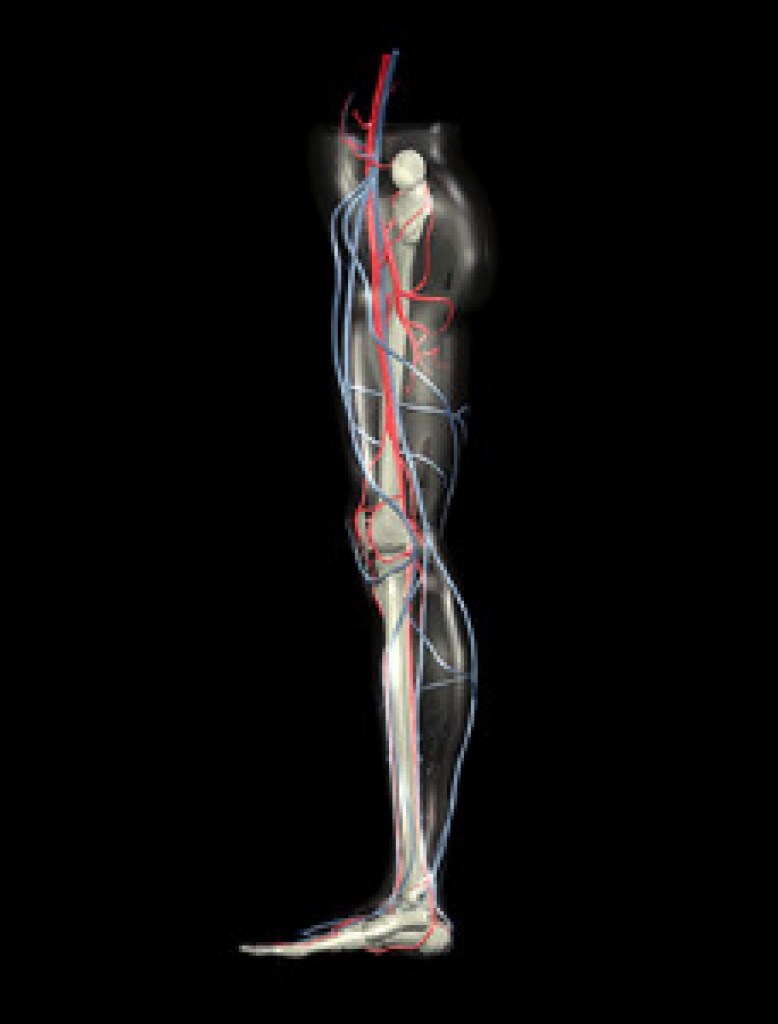 sending blood, oxygen and nutrients throughout the body. The most common causes of poor circulation are obesity, diabetes, heart conditions and arterial issues. Symptoms of poor circulation include tingling, numbness, pain and muscle cramps. Blood clots and varicose veins are two internal issues that lead to poor circulation. Blood clots block the flow of blood either partially or entirely. If discovered too late, blood clots can prove to be deadly, as they can lead to stroke and even death in severe cases. Varicose veins are enlarged veins caused by valve failure. This causes the veins to be unable to move blood as efficiently which will make it very hard for the blood to circulate. Luckily, there are some ways that poor circulation can be treated and diagnosed. It can be diagnosed through a physical exam, blood sugar test for diabetes, ultrasound or CT scan, blood pressure test or antibody blood test. Some treatments include compression socks for painful, swollen feet and ankles, special exercise programs to increase circulation, medications such as blood thinners, and different clot-dissolving drugs. It is recommended to go see your podiatrist if you are experiencing any of the symptoms or have a condition that is known to be associated with poor circulation.
Poor circulation is a serious condition and needs immediate medical attention. If you have any concerns with poor circulation in your feet contact Dr. George Yarnell of Pennsylvania. Our doctor will treat your foot and ankle needs.
Poor Circulation in the Feet
Poor blood circulation in the feet and legs is can be caused by peripheral artery disease (PAD), which is the result of a buildup of plaque in the arteries.
Plaque buildup or atherosclerosis results from excess calcium and cholesterol in the bloodstream. This can restrict the amount of blood which can flow through the arteries. Poor blood circulation in the feet and legs are sometimes caused by inflammation in the blood vessels, known as vasculitis.
Causes
Lack of oxygen and oxygen from poor blood circulation restricts muscle growth and development. It can also cause:
Those who have diabetes or smoke are at greatest risk for poor circulation, as are those who are over 50. If you have poor circulation in the feet and legs it may be caused by PAD and is important to make changes to your lifestyle in order to reduce risk of getting a heart attack or stroke. Exercise and maintaining a healthy lifestyle will dramatically improve conditions.
As always, see a podiatrist as he or she will assist in finding a regimen that suits you. A podiatrist can also prescribe you any needed medication.
If you have any questions, please feel free to contact our office located in Lansdowne, PA . We offer the newest diagnostic and treatment technologies for all your foot care needs.
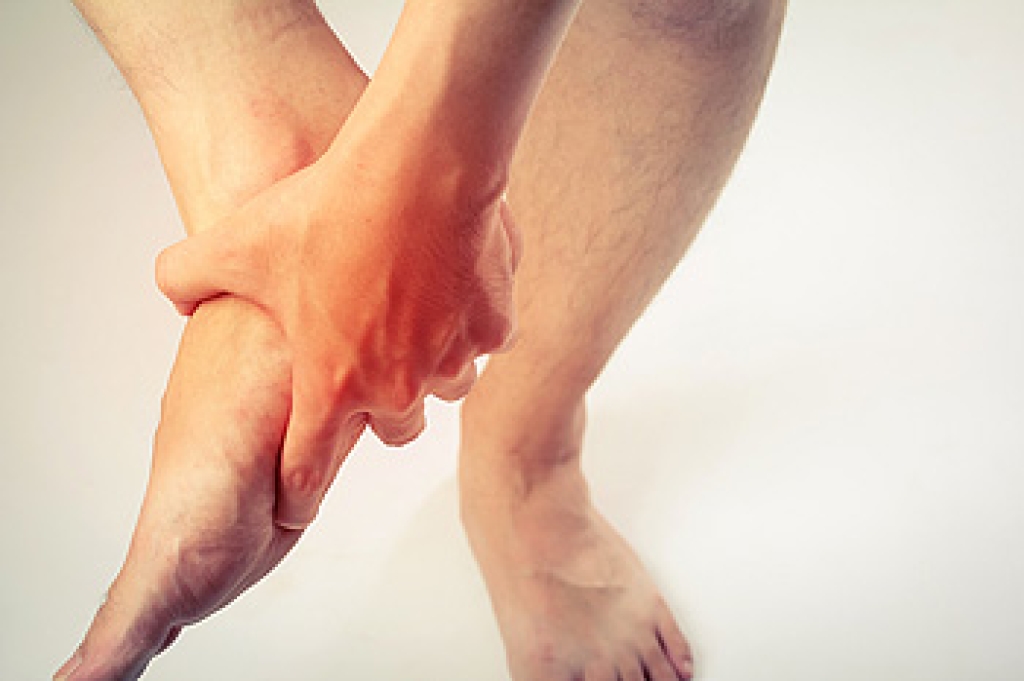 The feet are comprised of numerous bones, ligaments, and tendons, in addition to 250,000 sweat glands. They endure the weight of the body, so it is important to properly care for your feet to prevent painful foot conditions. Many patients suffer from athlete’s foot. This affects the skin on the feet, and typically causes pain and discomfort. This is a foot ailment caused by a fungus that attacks the skin on the bottom of the feet and in between the toes. Blisters can develop as a result of wearing poorly fitting shoes, in addition to bunions and hammertoes. If you experience heel pain, it can be indicative of plantar fasciitis, which is an inflammation of the tissue that runs along the bottom of the foot. Heel pain can also be a result of a heel spur. It is important to consult with a podiatrist who can perform a correct diagnosis and treat any foot condition.
Foot Pain
Foot pain can be extremely painful and debilitating. If you have a foot pain, consult with Dr. George Yarnell from Pennsylvania. Our doctor will assess your condition and provide you with quality foot and ankle treatment.
Causes
Foot pain is a very broad condition that could be caused by one or more ailments. The most common include:
Diagnosis
To figure out the cause of foot pain, podiatrists utilize several different methods. This can range from simple visual inspections and sensation tests to X-rays and MRI scans. Prior medical history, family medical history, and any recent physical traumatic events will all be taken into consideration for a proper diagnosis.
Treatment
Treatment depends upon the cause of the foot pain. Whether it is resting, staying off the foot, or having surgery; podiatrists have a number of treatment options available for foot pain.
If you have any questions, please feel free to contact our office located in Lansdowne, PA . We offer the newest diagnostic and treatment technologies for all your foot care needs.
 The tarsal tunnel is a narrow space that is on the inside of the ankle next to the ankle bones. It is covered with a thick ligament that protects structures within the tunnel such as arteries, veins, tendons and nerves. Tarsal tunnel syndrome is a compression or squeezing on the posterior tibial nerve that produces symptoms from the inside of the foot into the ankle. Some symptoms of tarsal tunnel syndrome include numbness, a shooting pain, and tingling or burning sensations that are similar to an electric shock. Some causes are diabetes which can cause swelling on the nerve, an injury like an ankle sprain that can produce swelling in or near the tunnel, and flat feet due to the outward tilting of the heel. It is important to go see your local podiatrist if you feel you exhibit any of these symptoms.
Tarsal tunnel syndrome can be very uncomfortable to live with. If you are experiencing tarsal tunnel syndrome, contact Dr. George Yarnell of Pennsylvania. Our doctor can provide the care you need to keep you pain-free and on your feet.
Tarsal Tunnel Syndrome
Tarsal tunnel syndrome, which can also be called tibial nerve dysfunction, is an uncommon condition of misfiring peripheral nerves in the foot. The tibial nerve is the peripheral nerve in the leg responsible for sensation and movement of the foot and calf muscles. In tarsal tunnel syndrome, the tibial nerve is damaged, causing problems with movement and feeling in the foot of the affected leg.
Common Cause of Tarsal Tunnel Syndrome
The Effects of Tarsal Tunnel Syndrome
A physical exam of the leg can help identify the presence of tarsal tunnel syndrome. Medical tests, such as a nerve biopsy, are also used to diagnose the condition. Patients may receive physical therapy and prescriptive medication. In extreme cases, some may require surgery.
If you have any questions please contact our office located in Lansdowne, PA . We offer the newest diagnostic and treatment technologies for all your foot and ankle needs.