Lansdowne, PA
(610) 626-3338

review us
follow us
like us

Blog

Hammertoe Affects Toe Joints

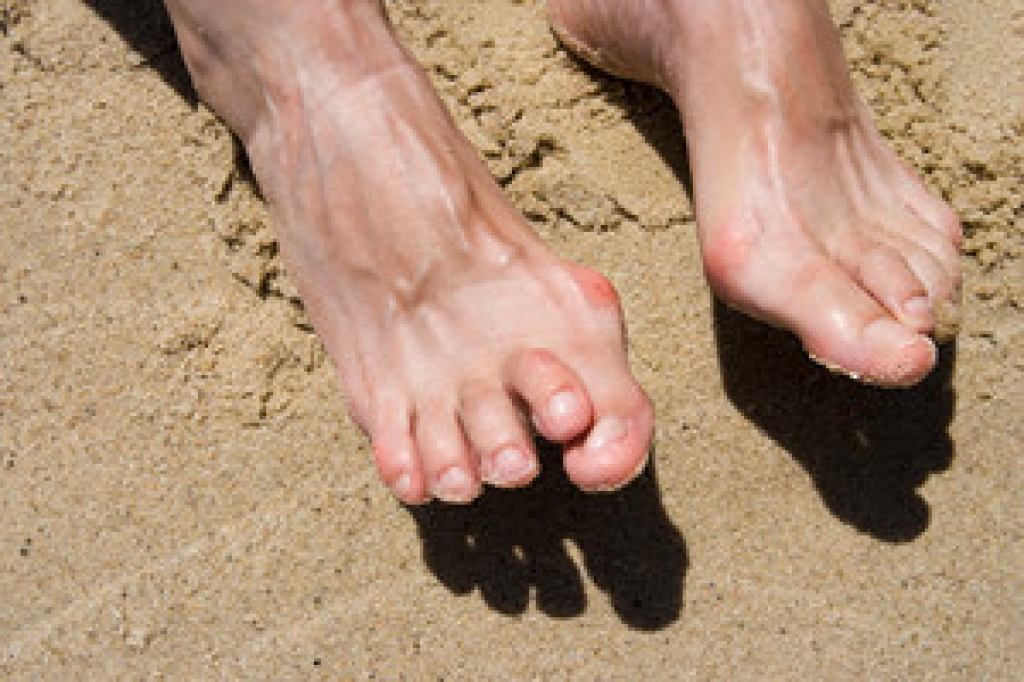
The foot condition that is known as hammertoe is often noticeable, and easily diagnosed. It typically affects the middle joints of the second or third toe, causing the joint to bend upward and the toes to bend downward. This condition often develops gradually due to genetic factors and from wearing shoes that do not have adequate room for the toes to move freely in. It is helpful to wear a larger size shoe that can accommodate the hammertoe, and mild relief may be found when a protective pad is worn over the affected joint. Corns may form on the top of the joint from friction that can come from the shoes that are worn. If you have hammertoe, it is strongly suggested that you are under the care of a podiatrist who can properly diagnose and treat this condition.

Hammertoe

Hammertoes can be a painful condition to live with. For more information, contact Dr. George Yarnell from Pennsylvania. Our doctor will answer any of your foot- and ankle-related questions.

Hammertoe is a foot deformity that affects the joints of the second, third, fourth, or fifth toes of your feet. It is a painful foot condition in which these toes curl and arch up, which can often lead to pain when wearing footwear.

Symptoms

  • Pain in the affected toes
  • Development of corns or calluses due to friction
  • Inflammation
  • Redness
  • Contracture of the toes

Causes

Genetics – People who are genetically predisposed to hammertoe are often more susceptible

Arthritis – Because arthritis affects the joints in your toes, further deformities stemming from arthritis can occur

Trauma – Direct trauma to the toes could potentially lead to hammertoe

Ill-fitting shoes – Undue pressure on the front of the toes from ill-fitting shoes can potentially lead to the development of hammertoe

Treatment

Orthotics – Custom made inserts can be used to help relieve pressure placed on the toes and therefore relieve some of the pain associated with it

Medications – Oral medications such as anti-inflammatories or NSAIDs could be used to treat the pain and inflammation hammertoes causes. Injections of corticosteroids are also sometimes used

Surgery – In more severe cases where the hammertoes have become more rigid, foot surgery is a potential option

If you have any questions, please feel free to contact our office located in Lansdowne, PA . We offer the newest diagnostic and treatment technologies for all your foot care needs.
Read more about What Are Hammertoes?

What Causes a Lisfranc Injury?

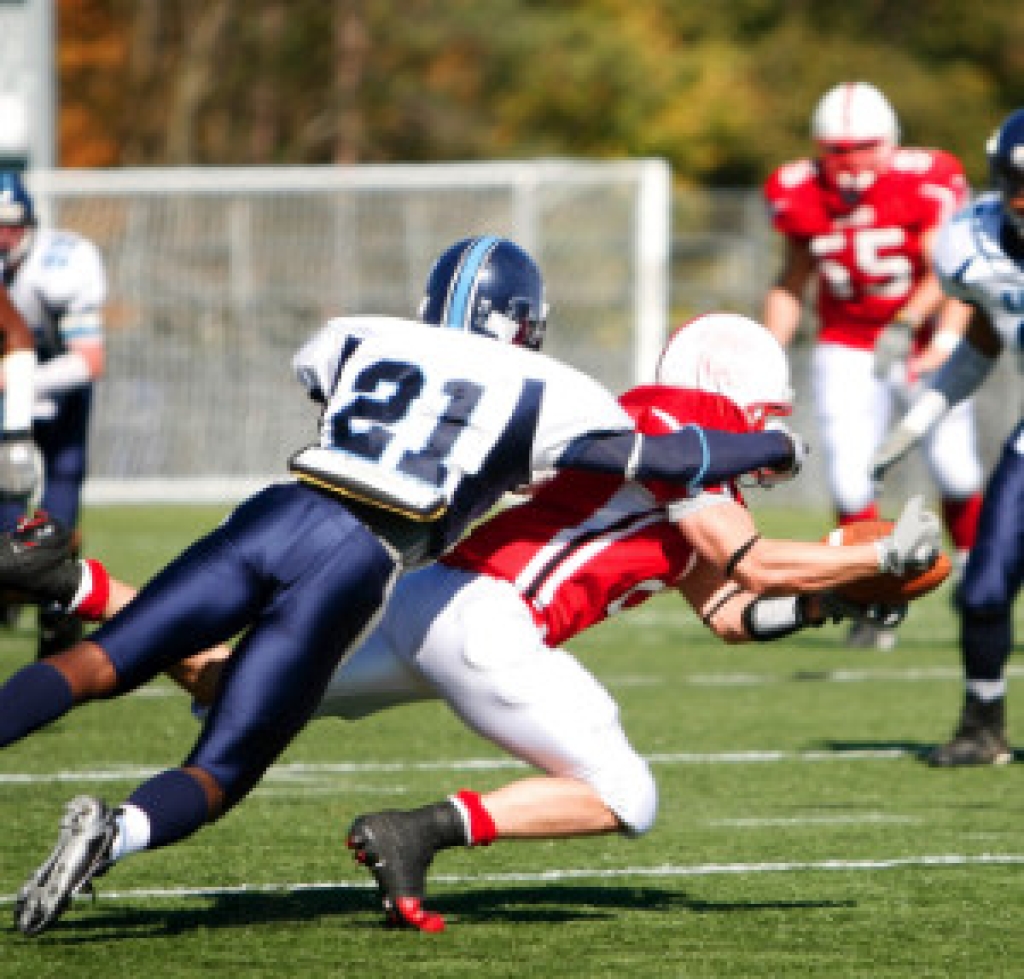
The Lisfranc joint complex is composed of the five metatarsal bones, plus the tendons and ligaments that form the arch at the top of the foot. When the ligaments or tendons become sprained or the metatarsal bones get fractured, a Lisfranc injury occurs. The injury most commonly occurs when the foot is twisted while falling. These situations are common in sports such as football, when the foot is stepped on, twisted while pointing, or stepped on while facing down. Signs of a Lisfranc injury include swelling, tenderness, and pain at the top of the foot, and bruising may be present on the bottom of the foot as well. If you believe you are suffering from a Lisfranc injury, a podiatrist will need to examine the foot and possibly take X-rays in order to give a proper diagnosis. Common treatment methods include immobilization, ice and elevation, therapy, and in severe cases, surgery may be necessary. 

Ankle and foot injuries are common among athletes and in many sports. They can be caused by several problems and may be potentially serious. If you are feeling pain or think you were injured in a sporting event or when exercising, consult with Dr. George Yarnell from Pennsylvania. Our doctor will assess your condition and provide you with quality foot and ankle treatment.

Common Injuries

The most common injuries that occur in sporting activities include:

  • Achilles Tendonitis
  • Achilles Tendon Rupture
  • Ankle Sprains
  • Broken Foot
  • Plantar Fasciitis
  • Stress Fractures
  • Turf Toe

Symptoms

Symptoms vary depending upon the injury and in some cases, there may be no symptoms at all. However, in most cases, some form of symptom is experienced. Pain, aching, burning, bruising, tenderness, tightness or stiffness, sensation loss, difficulty moving, and swelling are the most common symptoms.

Treatment

Just as symptoms vary depending upon the injury, so do treatment options. A common treatment method is known as the RICE method. This method involves rest, applying ice, compression and elevating the afflicted foot or ankle. If the injury appears to be more serious, surgery might be required, such as arthroscopic or reconstructive surgery. Lastly, rehabilitation or therapy might be needed to gain full functionality in the afflicted area. Any discomfort experienced by an athlete must be evaluated by a licensed, reputable medical professional.  

If you have any questions please contact our office located in Lansdowne, PA . We offer the newest diagnostic and treatment technologies for all your foot and ankle needs.

Read more about Sports Related Foot and Ankle Injuries

Are Bunions Affecting Your Everyday Life?

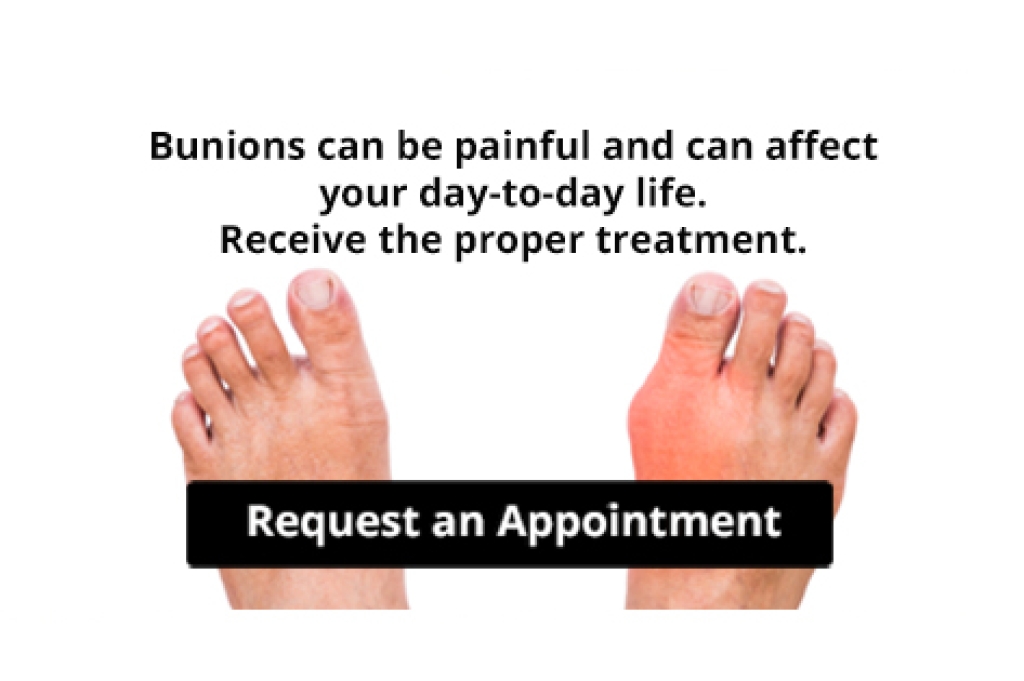
Have you noticed a bony protrusion on the side of your big toe? If so, you may have developed the foot condition known as a bunion. Don't let bunions interfere with your daily activities.

Foot Conditions That Can Develop as Children Run Barefoot

Summer is the season when children like to remove their shoes and run barefoot. Despite the freedom and enjoyment this can provide, there may be foot ailments that can develop. These can include insect bites, blisters, minor cuts and bruises. Sweaty feet may be prevented when a foot powder is applied at the beginning of the day. Splinters can also be a common condition among children, and there may be effective herbal remedies that can be applied for prompt removal. If you would like additional information about effective treatment techniques for minor wounds on children’s feet, please confer with a podiatrist.

Making sure that your children maintain good foot health is very important as they grow. If you have any questions, contact Dr. George Yarnell of Pennsylvania. Our doctor can provide the care you need to keep you pain-free and on your feet.

Keeping Children's Feet Healthy

Having healthy feet during childhood can help prevent medical problems later in life, namely in the back and legs. As children grow, their feet require different types of care. Here are some things to consider...

Although babies do not walk yet, it is still very important to take care of their feet.

Avoid putting tight shoes or socks on his or her feet.

Allow the baby to stretch and kick his or her feet to feel comfortable.

As a toddler, kids are now on the move and begin to develop differently. At this age, toddlers are getting a feel for walking, so don’t be alarmed if your toddler is unsteady or ‘walks funny’. 

As your child gets older, it is important to teach them how to take care of their feet.

Show them proper hygiene to prevent infections such as fungus.

Be watchful for any pain or injury.

Have all injuries checked by a doctor as soon as possible.

Comfortable, protective shoes should always be worn, especially at play.

If you have any questions, please feel free to contact our office located in Lansdowne, PA . We offer the newest diagnostic and treatment technologies for all your foot care needs.
Read more about What to Do to Keep Your Child’s Feet Healthy

Possible Treatments for Warts

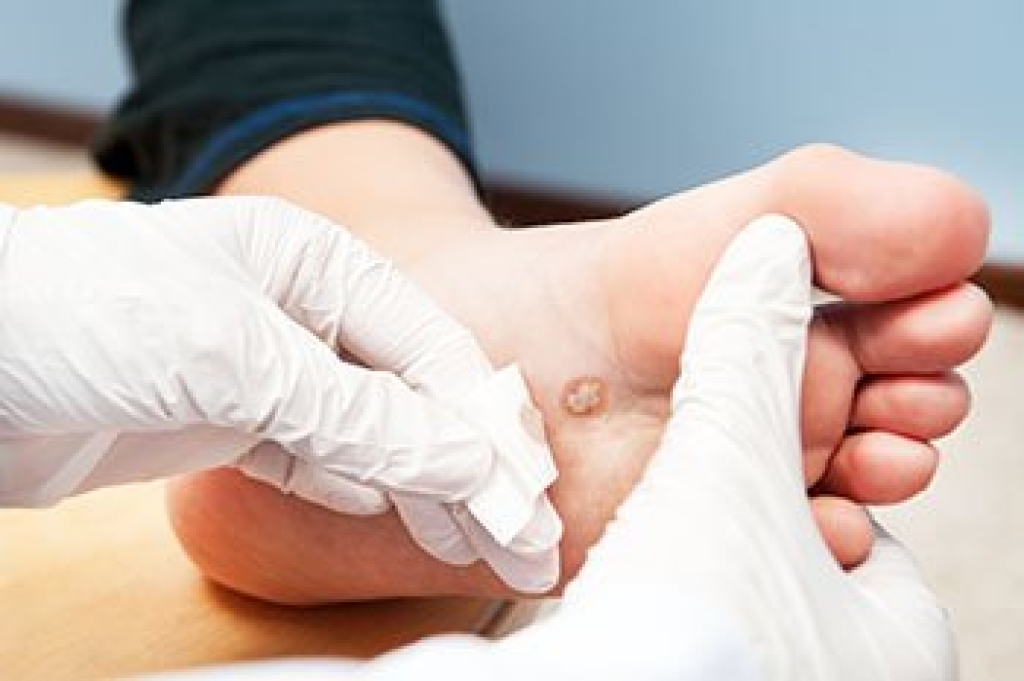
Warts that develop on the bottom of the feet are known as plantar warts. They are caused by a virus and can be contagious. Symptoms of plantar warts include the appearance of potentially painful, hard, grainy, or fleshy warts on the sole of the foot. There are various treatments for plantar warts. One treatment that your doctor may use is freezing the wart with liquid nitrogen. The doctor will apply the liquid nitrogen to the wart, causing a blister to form there. After four to seven days, the blister will break, dry up, and fall off. Sometimes, a wart may need to be treated with liquid nitrogen several times to get full results. For more information about this and other treatments for plantar warts, consult with a podiatrist today. 

Plantar warts can be very uncomfortable. If you need your feet checked, contact Dr. George Yarnell from Pennsylvania. Our doctor will assist you with all of your foot and ankle needs.

About Plantar Warts

Plantar warts are the result of HPV, or human papillomavirus, getting into open wounds on the feet. They are mostly found on the heels or balls of the feet.

While plantar warts are generally harmless, those experiencing excessive pain or those suffering from diabetes or a compromised immune system require immediate medical care. Plantar warts are easily diagnosed, usually through scraping off a bit of rough skin or by getting a biopsy.

Symptoms

  • Lesions on the bottom of your feet, usually rough and grainy
  • Hard or thick callused spots
  • Wart seeds, which are small clotted blood vessels that look like little black spots
  • Pain, discomfort, or tenderness of your feet when walking or standing

Treatment

  • Freezing
  • Electric tool removal
  • Laser Treatment
  • Topical Creams (prescription only)
  • Over-the-counter medications

To help prevent developing plantar warts, avoid walking barefoot over abrasive surfaces that can cause cuts or wounds for HPV to get into. Avoiding direct contact with other warts, as well as not picking or rubbing existing warts, can help prevent the further spread of plantar warts. However, if you think you have developed plantar warts, speak to your podiatrist. He or she can diagnose the warts on your feet and recommend the appropriate treatment options.

If you have any questions, please feel free to contact our office located in Lansdowne, PA . We offer the newest diagnostic and treatment technologies for all your foot care needs.
Read more about All About Plantar Warts
Connect with us
like us follow us read our vlog