Lansdowne, PA
(610) 626-3338

review us
follow us
like us

Blog

What to Do About Toe Cramps

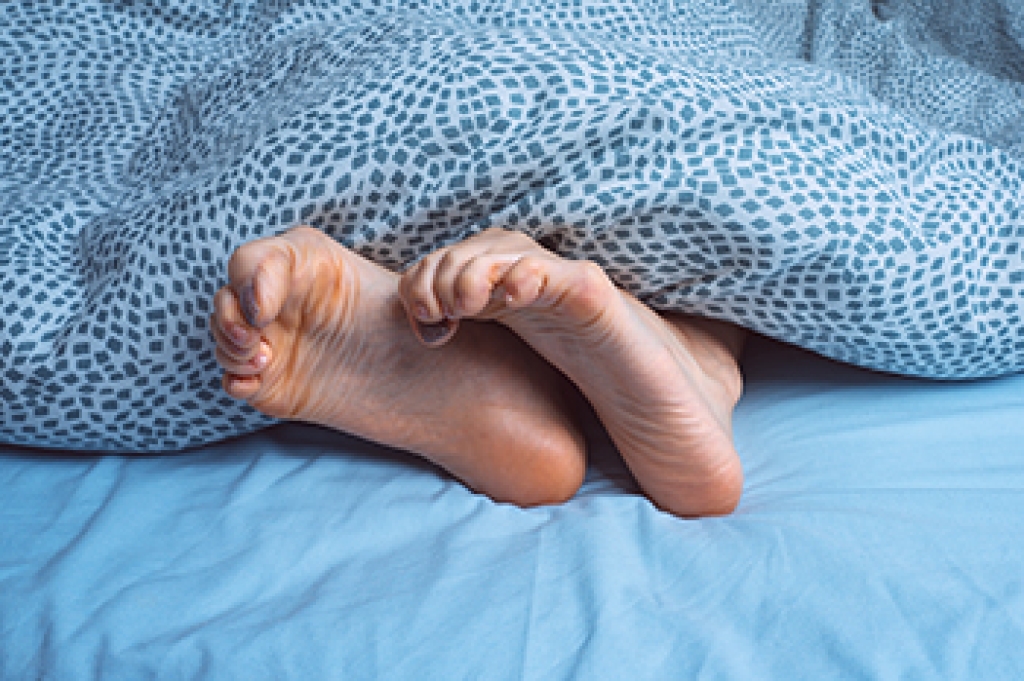
Toe cramps can be painful as well as extremely annoying, especially when they wake you out of a sound sleep. Most cases of toe cramps are believed to be the result of overuse. Common culprits include walking too long, working out too much, and wearing shoes that force your feet to flex too much. Other causes of toe cramps include dehydration, along with consuming too much salt. Toe cramps also may be the result of deficiencies in such minerals as potassium, magnesium, and calcium. In addition, increased age, high anxiety, and other underlying medical conditions have been known to cause toe cramps. If you have toe cramps, it is suggested that you massage the area while trying to move the toes as much as you can. Also, applying a heating pad to the area for about 10 minutes can help. Be sure to wear shoes that fit properly and don’t squeeze the toes. Avoid sandals and flip-flops that cause the toes to flex when walking. Stretch your toes frequently and massage them while resting. For more information on how to deal with toe cramping, please consult a podiatrist.

Toe pain can disrupt your daily activities. If you have any concerns, contact Dr. George Yarnell of Pennsylvania. Our doctor can provide the care you need to keep you pain-free and on your feet.

What Causes Toe Pain?

Most severe toe pain is caused due to a sports injury, trauma from dropping something heavy on the toe, or bumping into something rigid. Other problems can develop over time for various reasons.

Toe pain can be caused by one or more ailments. The most common include:

  • Trauma
  • Sports injury
  • Wearing shoes that are too tight
  • Arthritis
  • Gout
  • Corns and calluses
  • Hammertoe
  • Bunions
  • Blisters
  • Ingrown toenails
  • Sprains
  • Fractures (broken bones)
  • Dislocations

When to See a Podiatrist

  • Severe pain
  • Persistent pain that lasts more than a week
  • Signs of infection
  • Continued swelling
  • Pain that prevents walking

Diagnosis

In many cases the cause of toe pain is obvious, but in others, a podiatrist may want to use more advanced methods to determine the problem. These can range from simple visual inspections and sensation tests to X-rays and MRI scans. Prior medical history, family medical history, and any recent physical traumatic events will all be taken into consideration for a proper diagnosis.

Treatment

Treatments for toe pain and injuries vary and may include shoe inserts, padding, taping, medicines, injections, and in some cases, surgery. If you believe that you have broken a toe, please see a podiatrist as soon as possible.

If you have any questions please contact our office located in Lansdowne, PA . We offer the newest diagnostic and treatment technologies for all your foot and ankle needs.
Read more about Toe Pain

3 Types of Ankle Sprains

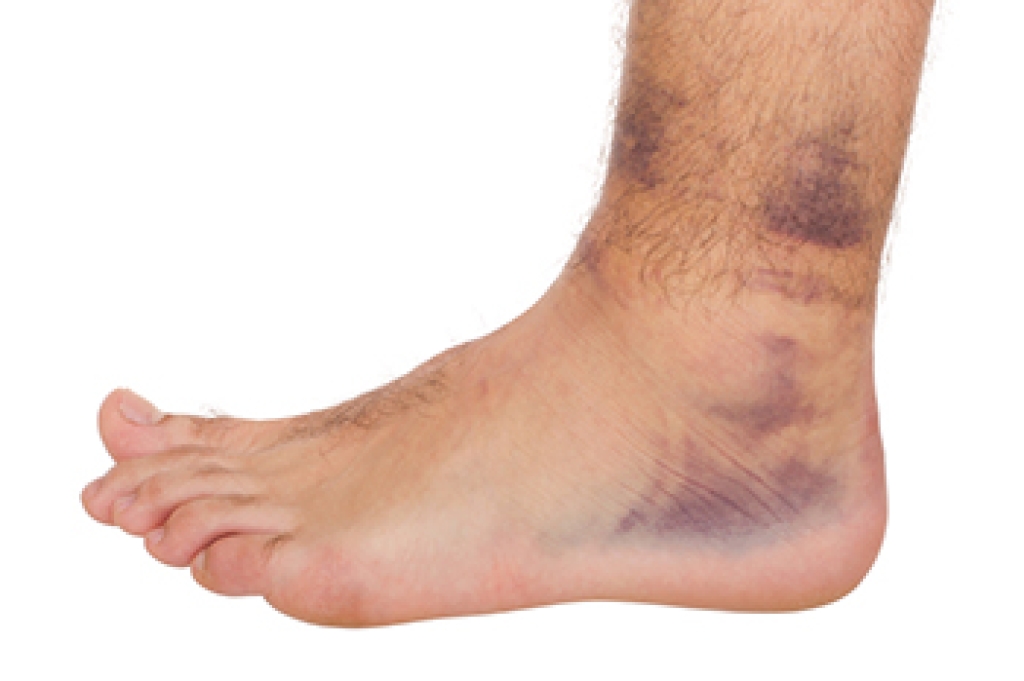
Ankle sprains can vary in severity and type. The most common type of ankle sprain is known as the inversion sprain and happens when the ankle rolls out while the foot turns in. The ligaments can easily be stretched or torn with this type of sprain and are generally painful. The opposite kind of sprain can occur when the ankle rolls inward, as the foot turns outward. The ligaments on the inside of the ankle can become torn with this sprain which is called the eversion sprain. Patients who have experienced a high ankle sprain may endure more discomfort, and this happens when the foot is planted on the ground, and the leg moves toward the inside of the foot. This is considered to be the least common type of sprain and often requires immediate medical attention. If you have sprained your ankle, please visit a podiatrist who can determine which kind of sprain you have, and offer the best treatment advice for you.

Although ankle sprains are common, they aren’t always minor injuries. If you need your ankle injury looked at, contact Dr. George Yarnell from Pennsylvania. Our doctor can provide the care you need to keep you pain-free and on your feet.

How Does an Ankle Sprain Occur?

Ankle sprains are the result of a tear in the ligaments within the ankle. These injuries may happen when you make a rapid shifting movement while your foot is planted. A less common way to sprain your ankle is when your ankle rolls inward while your foot turns outward.

What Are the Symptoms?

  • Pain at the sight of the tear
  • Bruising/Swelling
  • Ankle area is tender to touch
  • In severe cases, may hear/feel something tear
  • Skin discoloration

Preventing a Sprain

  • Wearing appropriate shoes for the occasion
  • Stretching before exercises and sports
  • Knowing your limits

Treatment of a Sprain

In many cases, the RICE method (Rest, Ice, Compression, and Elevate) is used to treat ankle sprains. However, you should see a podiatrist to see which treatment option would work best with your injury. In severe cases, surgery may be required.

It is important to ask your doctor about rehab options after you receive treatment for your injury. Stretching, strength training, and balance exercises may help the ankle heal while also preventing further injury.

If you have any questions, please feel free to contact our office located in Lansdowne, PA . We offer the newest diagnostic and treatment technologies for all your foot care needs.

Read more about Three Grades of Ankle Sprains

Poor Circulation and Health Issues

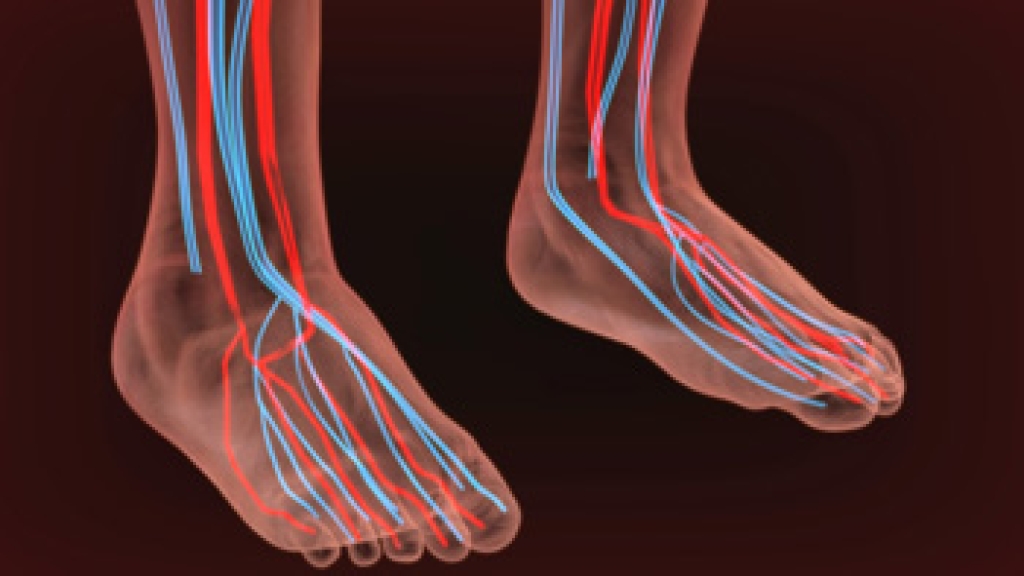
Poor circulation may be common among older people. It may lead to a lack of oxygen, that is intended to reach the extremities, and a numbing or tingling sensation may occur. Some people begin to have memory loss and may cause serious consequences. Common telltale signs you may have poor circulation consists of cold feet, cramps, and joint pain. In addition to becoming fatigued, someone with poor circulation may be concerned with digestive issues. Existing conditions and habits such as obesity, smoking, and drinking excess alcohol may contribute to having poor circulation, and a lifestyle change is often considered. People who are diabetic may be prone to poor circulation, possibly as a result of high glucose levels that may cause damaged blood vessels. If your feet are generally cold, please schedule an appointment with a podiatrist who can guide you toward treatment of poor circulation.

Poor circulation is a serious condition and needs immediate medical attention. If you have any concerns with poor circulation in your feet contact Dr. George Yarnell of Pennsylvania. Our doctor will treat your foot and ankle needs.

Poor Circulation in the Feet

Poor blood circulation in the feet and legs is can be caused by peripheral artery disease (PAD), which is the result of a buildup of plaque in the arteries.

Plaque buildup or atherosclerosis results from excess calcium and cholesterol in the bloodstream. This can restrict the amount of blood which can flow through the arteries. Poor blood circulation in the feet and legs are sometimes caused by inflammation in the blood vessels, known as vasculitis.

Causes

Lack of oxygen and oxygen from poor blood circulation restricts muscle growth and development. It can also cause:

  • Muscle pain, stiffness, or weakness 
  • Numbness or cramping in the legs
  • Skin discoloration
  • Slower nail & hair growth
  • Erectile dysfunction

Those who have diabetes or smoke are at greatest risk for poor circulation, as are those who are over 50. If you have poor circulation in the feet and legs it may be caused by PAD and is important to make changes to your lifestyle in order to reduce risk of getting a heart attack or stroke. Exercise and maintaining a healthy lifestyle will dramatically improve conditions.

As always, see a podiatrist as he or she will assist in finding a regimen that suits you. A podiatrist can also prescribe you any needed medication. 

If you have any questions, please feel free to contact our office located in Lansdowne, PA . We offer the newest diagnostic and treatment technologies for all your foot care needs.

Read more about Causes, Symptoms, and Treatment of Poor Blood Circulation in the Feet

Reminder: When Was the Last Time...?

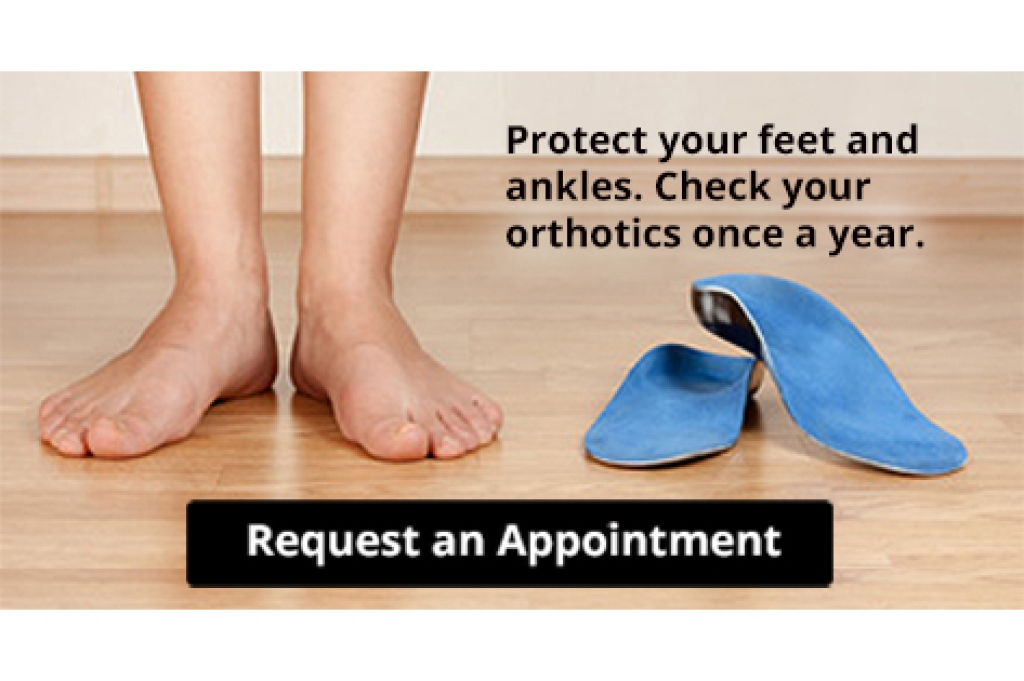
Custom orthotics, or shoe inserts, should be periodically replaced. Orthotics must fit properly to give you the best results. Protect your feet and ankles!

Why Do I Have Foot Pain From Working?

Research has shown that approximately half of the working population spends their day standing. This can include professions such as restaurant employees, retail workers, and people who are employed in the medical profession. Foot pain is a common ailment that people have who work on their feet for the majority of the day. This may be a result of the feet absorbing the weight of the body, and pain can be targeted in the heels. Plantar fasciitis and heel spurs are common foot conditions that can happen from standing, and discomfort may often radiate to the entire foot. There are effective preventive methods that can be implemented which may help to lessen heel pain. These can consist of standing on a stress mat provided by the employer and wearing shoes that have additional cushioning in the heel. Having foot pain can compromise the ability to perform to the best of one’s ability. If this applies to you, it is strongly suggested that you speak with a podiatrist who can help you to alleviate the pain, and guide you toward choosing the best shoes to wear while working.

While working on the feet, it is important to take the proper care of them. For more information about working on your feet, contact Dr. George Yarnell from Pennsylvania. Our doctor will treat your foot and ankle needs.

Working on Your Feet

Standing on your feet for long periods of time can cause stress and pain in your feet. Your whole body may experience change in terms of posture, back pain, bunions, callouses and or plantar warts. There are ways to avoid these conditions with proper foot care, smart choices and correct posture.

Positive Changes

Negative heeled shoe – Choosing this shoe type places the heel slightly lower than the ball of the foot. These are great for overall foot health. Find shoes that fit you correctly.

Go barefoot – Our feet were not designed to be enclosed for all hours of the day. Try to periodically expose your feet to air.

Eliminate Pain

Foot Exercises – Performing simple exercises, incorporating yoga and doing stretches are beneficial. This will allow increased blood flow to the area and muscles of the foot.

Achilles tendon – Stretching the foot out flat on the floor will relax the calf muscles and tendon. These exercises can be performed almost anywhere. Make sure you add these exercises to your daily regimen. 

With a little bit of this information and knowing more about foot health, you will notice changes. Foot stretches and proper footwear will help with pain and prevent further issues.

If you have any questions please contact our office located in Lansdowne, PA . We offer the newest diagnostic and treatment technologies for all your foot and ankle needs.
Read more about Working on Your Feet
Connect with us
like us follow us read our vlog