Lansdowne, PA
(610) 626-3338

review us
follow us
like us

Blog

Surfer Kelly Slater Suffers Broken Foot

World Surf League Champion Kelly Slater recently suffered a broken foot while free surfing. After suffering the injury, Slater went toward the shore where he was able to receive treatment from medical staff. He posted a picture of his x-ray on Instagram with the caption, “Kinda' like smashing my foot with a big hammer as hard as I can.” He later announced that he would need a recovery period of six weeks after the surgery. This injury is devastating news for Slater who had been doing well in the competition.

A broken foot requires immediate medical attention and treatment. If you need your feet checked, contact Dr. George Yarnell from Pennsylvania. Our doctor can provide the care you need to keep you pain-free and on your feet.

Broken Foot Causes, Symptoms, and Treatment

A broken foot is caused by one of the bones in the foot typically breaking when bended, crushed, or stretched beyond its natural capabilities. Usually the location of the fracture indicates how the break occurred, whether it was through an object, fall, or any other type of injury. 

Common Symptoms of Broken Feet:

  • Bruising
  • Pain
  • Redness
  • Swelling
  • Blue in color
  • Numbness
  • Cold
  • Misshapen
  • Cuts
  • Deformities

Those that suspect they have a broken foot shoot seek urgent medical attention where a medical professional could diagnose the severity.

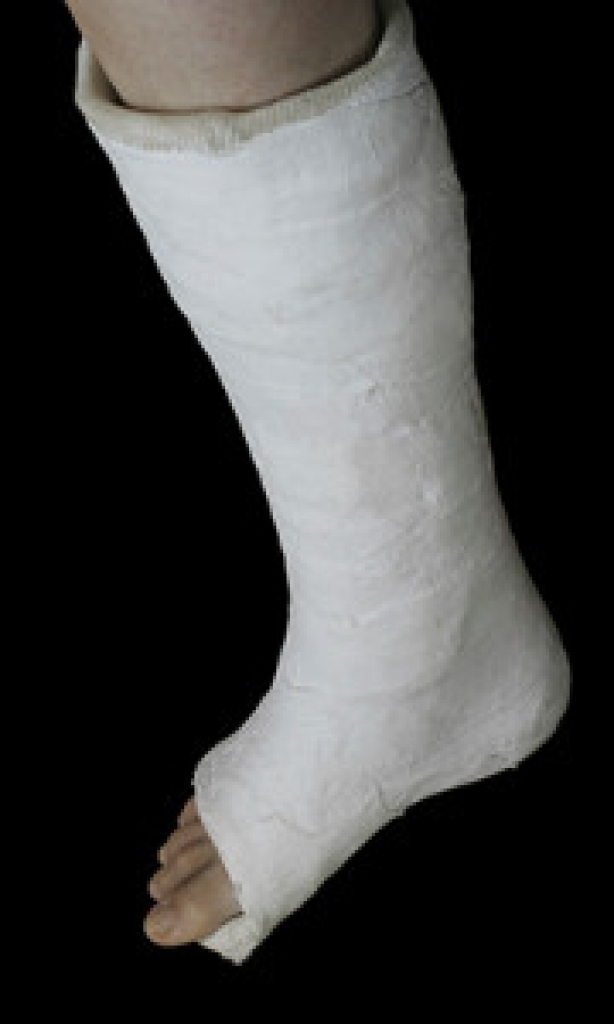
Treatment for broken bones varies depending on the cause, severity and location. Some will require the use of splints, casts or crutches while others could even involve surgery to repair the broken bones. Personal care includes the use of ice and keeping the foot stabilized and elevated.

If you have any questions, please feel free to contact our office located in Lansdowne, PA . We offer the newest diagnostic and treatment technologies for all your foot care needs.

Read more about Causes, Symptoms, and Treatment for a Broken Foot

The Effects of Polyneuropathy

Polyneuropathy is a disease that affects the peripheral nerves of the body, and it is most commonly caused by diabetes. Diabetes causes blood sugar levels to become elevated, which can lead to a decrease in the amount of blood flow that gets to the nerves. As a result, the nerves’ ability to process sensation becomes disrupted. Other less common causes of polyneuropathy include vitamin B12 deficiency, low thyroid levels, HIV, Lyme disease, and exposure to certain medications. Another less common cause for the disease may be a genetic disorder; however, these are often only diagnosed as a cause after all other possible options have been ruled out.

When dealing with systemic disease of the feet, it is extremely important to check the affected areas routinely so that any additional problems are caught quickly.  If you have any concerns about your feet and ankles contact Dr. George Yarnell from Pennsylvania. Our doctor will assist you with all of your podiatric needs.

Systemic Diseases of the Feet

Systemic diseases affect the whole body, and symptoms usually are displayed in the feet. This condition can make a patient’s ability to walk unbearable.  Systemic diseases include gout, diabetes mellitus, neurological disorders, and arthritis.

Gout – is caused by an excess of uric acid in the body. Common symptoms include pain, inflammation, and redness at the metatarsal/phalangeal joint of the base big toe. Gout can be treated by NSAIDs to relieve pain and inflammation, and other drugs that lower the acid levels in the body.

Diabetes mellitus – is an increase in the level of blood sugar that the body cannot counteract with its own insulin. Failure to produce enough insulin is a factor in Diabetes.

Diabetes of the Feet

Diabetic Neuropathy – may lead to damaged nerves and affect the feet through numbness and loss of sensation.

Peripheral Vascular Disease – can restrict the blood flow to the feet, and often times lead to amputation of the feet. 

If you have any questions please contact our office located in Lansdowne, PA . We offer the newest diagnostic and treatment technologies for all your foot and ankle needs.

Read more about Systemic Diseases of the Foot

How to Prevent Ankle Sprains

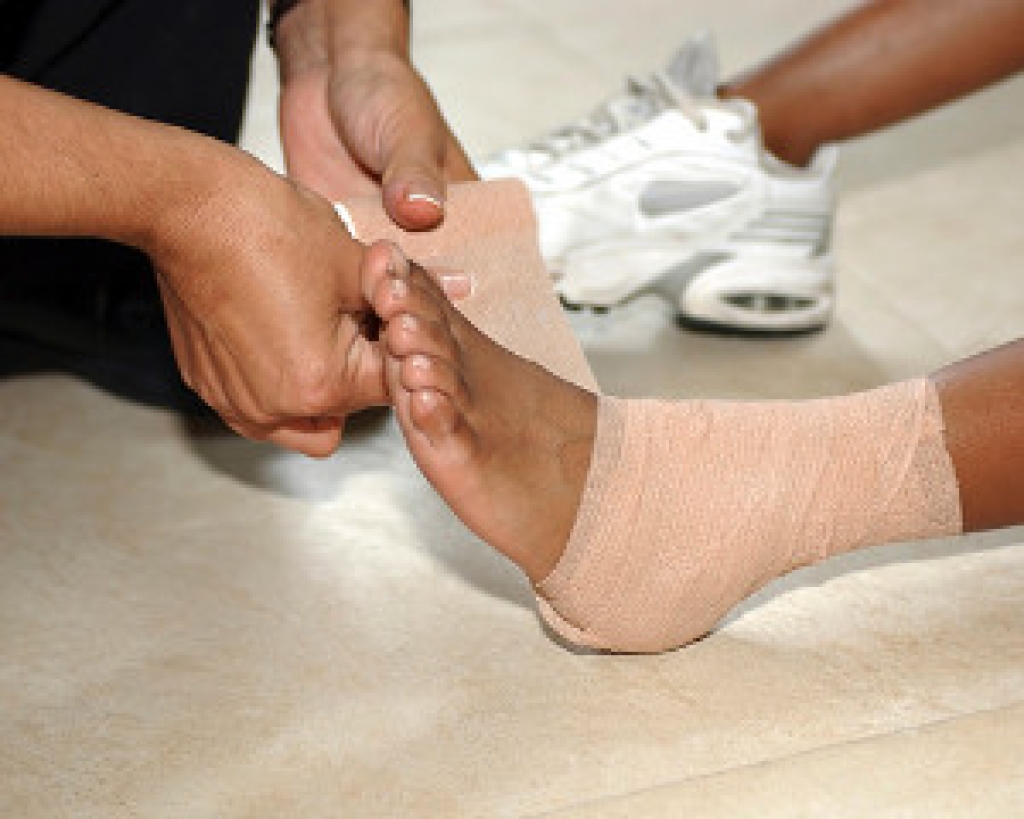
When a joint in the ankle is forced beyond its natural range, the ligaments within it become stretched too far, resulting in an ankle sprain. Ankle sprains can be painful, and those who have them may experience stiffness and swelling. Fortunately, there are ways that you can prevent getting an ankle sprain. One of the best ways to prevent ankle sprains is to improve your muscle strength. Stronger muscles will reduce the amount of stress being placed on the ligaments that get injured during a sprain. Additionally, improving your balance can also help fight against sprains. In terms of deviation, the faster the body can move toward a neutral positioning, the better it can prevent a ligament from stretching beyond its limits.

Ankle sprains are common but need immediate attention. If you need your feet checked, contact Dr. George Yarnell from Pennsylvania. Our doctor can provide the care you need to keep you pain-free and on your feet.

How Does an Ankle Sprain Occur?

Ankle sprains take place when the ligaments in your ankle are torn or stretched beyond their limits. There are multiple ways that the ankle can become injured, including twisting or rolling over onto your ankle, putting undue stress on it, or causing trauma to the ankle itself.

What Are the Symptoms?

  • Mild to moderate bruising
  • Limited mobility
  • Swelling
  • Discoloration of the skin (depending on severity)

Preventing a Sprain

  • Wearing appropriate shoes for the occasion
  • Stretching before exercises and sports
  • Knowing your limits

Treatment of a Sprain

Treatment of a sprain depends on the severity.  Many times, people are told to rest and remain off their feet completely, while others are given an air cast. If the sprain is very severe, surgery may be required.

If you have suffered an ankle sprain previously, you may want to consider additional support such as a brace and regular exercises to strengthen the ankle.

If you have any questions please feel free to contact our office located in Lansdowne, PA . We offer the newest diagnostic tools and technology to treat your foot and ankle needs.

Read more about Ankle Sprains

The Dangers of Wearing Flip-Flops

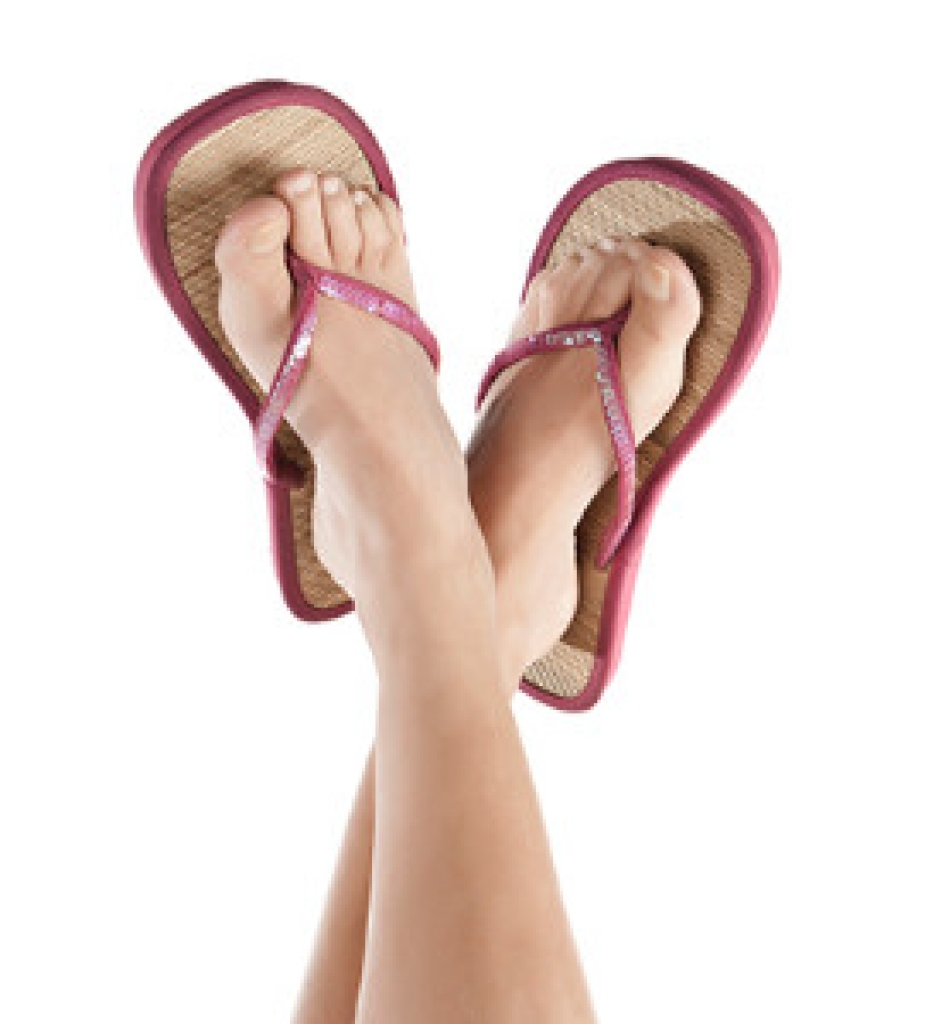
Flip-flops are a summer essential for many different women across the country. However, these shoes can potentially be dangerous for your feet. Some of the most common injuries experienced by flip-flop lovers are stress fractures, tendonitis, arch pain, and heel pain. In addition, these shoes offer minimal protection for your feet, which can make you more prone to cuts, sunburn, and fungal infection. Flip-flops aren’t always bad, but they should be used in moderation. It is best to wear these shoes for short distances such as walking around the beach or in locker rooms. You should not wear them if you plan on running or walking for any significant length of time.  

Flip-flops are not always the best choice of footwear. If you have any concerns about your feet or ankles, contact Dr. George Yarnell from Pennsylvania. Our doctor will assist you with all of your foot and ankle needs.

Flip-Flops and Feet

When the weather starts warming up, people enjoy wearing flip-flops.  Flip-flops are comfortable, stylish, and easy to slip on and off; they're perfect for any summer beach goer.  However, these shoes can cause harm to the feet.

How Can Flip-Flops Affect Me Long-Term?

  • Ankle problems
  • Hip problems
  • Lower back problems
  • Pain in the balls of the feet
  • Problems with foot arches
  • Changes in the way you walk

Are There Injuries Associated with Flip-Flops?

Yes.  Since flip-flops are relatively weak and do not provide the same amount of support as sneakers, people who wear flip-flops regularly are more susceptible to injuries. On top of that, the open nature of the shoe makes your feet more prone to other problems, such as cuts and even infections.  Common injuries and ailments include:

  • Sprained ankles
  • Blisters
  • Infections
  • Cuts and Scrapes

I like Wearing Flip-Flops. Are There Safe Alternatives?

When buying flip-flops, try to find ones that have sturdy soles and that are made of high-quality materials that will support for your feet.  These flip-flops will cost more but will also last longer as a result.

If you have any questions, please feel free to contact our office located in Lansdowne, PA . We offer the newest diagnostic and treatment technologies for all your foot care needs.

Read more about Flip Flops and Feet
Connect with us
like us follow us read our vlog