Lansdowne, PA
(610) 626-3338

review us
follow us
like us

Blog

Do I Have a Heel Spur?

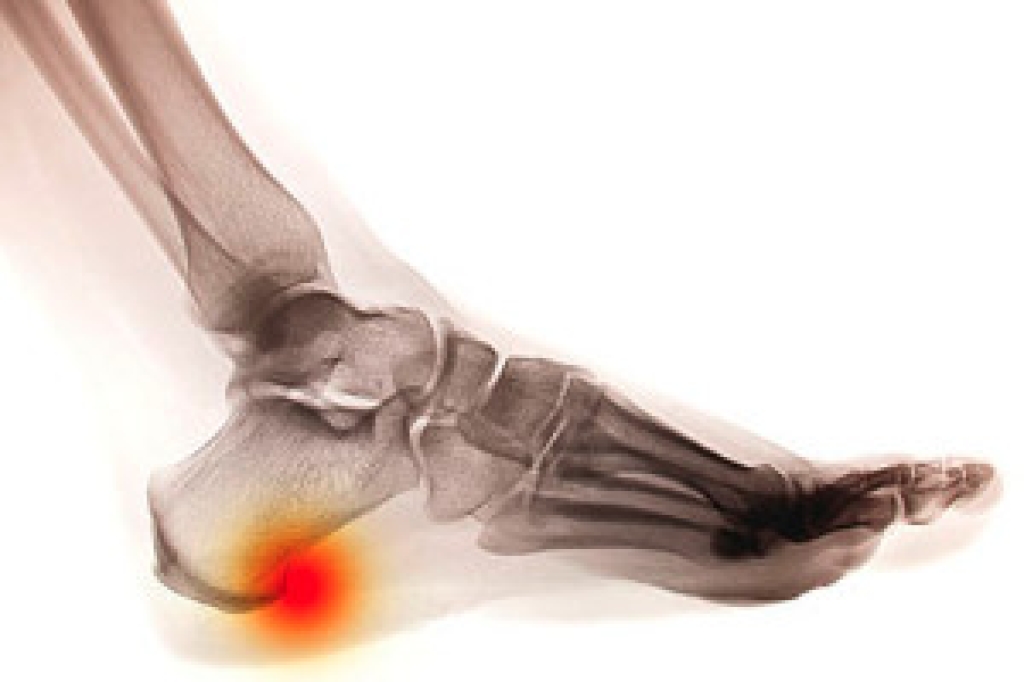
A common foot condition often associated with heel pain is referred to as a heel spur. A heel spur is a bony growth located as the name suggests, at the heel of the foot. They may form at the back of the heel, under the heel, or at the sole of the foot. Heel spurs can develop when the tendons and tissues that attach to the heel are overstretched or injured, often causing inflammation. Repetitive athletic stress and inflammatory diseases may also cause the development of a heel spur. Heel spurs may be diagnosed through the use of an ultrasound or X-ray in order to identify the bony protrusion. As far as treatment for heel spurs, it is suggested that you consult with a podiatrist for professional care and advice.

Heel spurs can be incredibly painful and sometimes may make you unable to participate in physical activities. To get medical care for your heel spurs, contact Dr. George Yarnell from Pennsylvania. Our doctor will do everything possible to treat your condition.

Heels Spurs

Heel spurs are formed by calcium deposits on the back of the foot where the heel is. This can also be caused by small fragments of bone breaking off one section of the foot, attaching onto the back of the foot. Heel spurs can also be bone growth on the back of the foot and may grow in the direction of the arch of the foot.

Older individuals usually suffer from heel spurs and pain sometimes intensifies with age. One of the main condition's spurs are related to is plantar fasciitis.

Pain

The pain associated with spurs is often because of weight placed on the feet. When someone is walking, their entire weight is concentrated on the feet. Bone spurs then have the tendency to affect other bones and tissues around the foot. As the pain continues, the feet will become tender and sensitive over time.

Treatments

There are many ways to treat heel spurs. If one is suffering from heel spurs in conjunction with pain, there are several methods for healing. Medication, surgery, and herbal care are some options.

If you have any questions, please feel free to contact our office located in Lansdowne, PA . We offer the newest diagnostic and treatment technologies for all your foot care needs.


Read more about How to Treat Heel Spurs

It's Time for Beautiful Feet

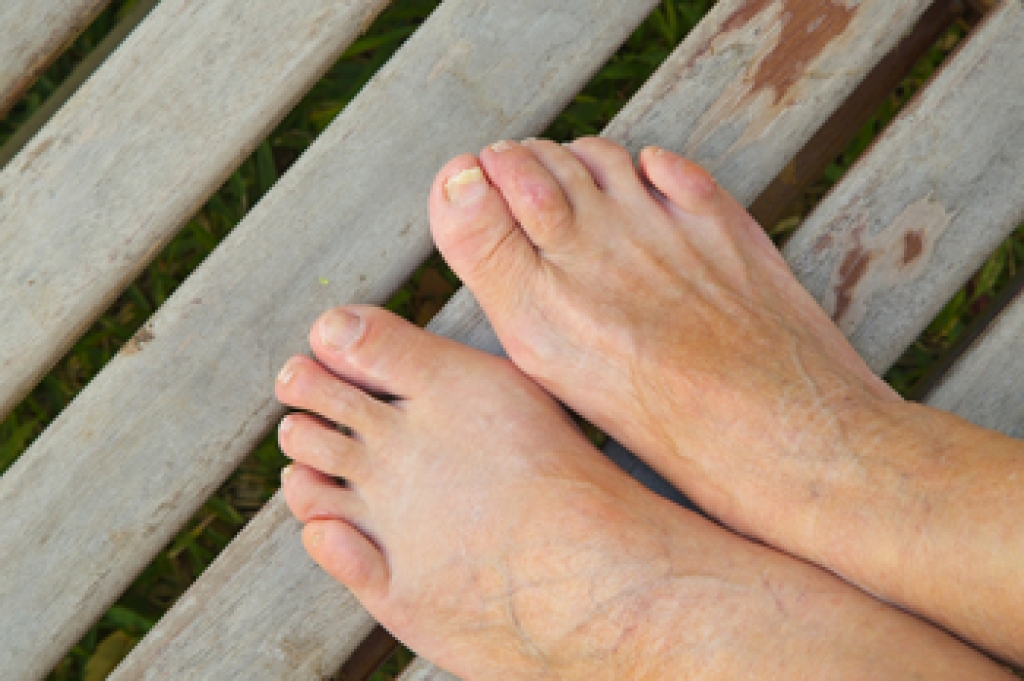
You don't need an excuse to have beautiful nails. Step outside without worrying about the appearance of your feet.

Types of Ankle Sprains

A common injury among athletes is an ankle sprain. There are several types of ankle sprains that can occur. These can consist of injury to the ligaments on the outside of the ankle, which is called a lateral sprain. When the toes turn out while they are pointing up, the medial portion of the ankle can become hurt, and this type of sprain may take longer to heal. A sprain that occurs to the front or back ligaments is referred to as a syndesmotic sprain. Common symptoms that patients can experience with ankle sprains can include severe pain, swelling, and difficulty walking. Relief may be found when the impacted foot is elevated, as this may help to diminish a portion of the swelling. Additionally, existing bruising may be controlled when an ankle wrap is used, or a protective boot is worn. If you have sprained your ankle, it is strongly suggested that you speak with a podiatrist who can determine what the best treatment is for you.

Although ankle sprains are common, they aren’t always minor injuries. If you need your ankle injury looked at, contact Dr. George Yarnell from Pennsylvania. Our doctor can provide the care you need to keep you pain-free and on your feet.

How Does an Ankle Sprain Occur?

Ankle sprains are the result of a tear in the ligaments within the ankle. These injuries may happen when you make a rapid shifting movement while your foot is planted. A less common way to sprain your ankle is when your ankle rolls inward while your foot turns outward.

What Are the Symptoms?

  • Pain at the sight of the tear
  • Bruising/Swelling
  • Ankle area is tender to touch
  • In severe cases, may hear/feel something tear
  • Skin discoloration

Preventing a Sprain

  • Wearing appropriate shoes for the occasion
  • Stretching before exercises and sports
  • Knowing your limits

Treatment of a Sprain

In many cases, the RICE method (Rest, Ice, Compression, and Elevate) is used to treat ankle sprains. However, you should see a podiatrist to see which treatment option would work best with your injury. In severe cases, surgery may be required.

It is important to ask your doctor about rehab options after you receive treatment for your injury. Stretching, strength training, and balance exercises may help the ankle heal while also preventing further injury.

If you have any questions, please feel free to contact our office located in Lansdowne, PA . We offer the newest diagnostic and treatment technologies for all your foot care needs.
Read more about Ankle Sprains

The Basics of Ingrown Toenails

Ingrown toenails can occur in two different ways. Either the edge of the toenail grows into the skin, or the skin grows over the toenail. Signs of ingrown toenails may include swelling and redness on the sides of the toenail, and if infected, pus may drain from the area as well. Ingrown toenails can be caused due to a variety of factors that can include tightly-fitted shoes, thickened toenails, hereditary factors, and abnormally shaped toenails. While experiencing an ingrown toenail may be painful, there are many solutions to help relieve the pain. This can include wearing properly fitting shoes, trimming the toenails straight across and not too short, and by not digging into the sides of the toenail. If the pain persists, or if there is an infection, it is important that you consult with a podiatrist in order to prevent further complications.  

Ingrown toenails may initially present themselves as a minor discomfort, but they may progress into an infection in the skin without proper treatment. For more information about ingrown toenails, contact Dr. George Yarnell of Pennsylvania. Our doctor can provide the care you need to keep you pain-free and on your feet.

Ingrown Toenails

Ingrown toenails are caused when the corner or side of a toenail grows into the soft flesh surrounding it. They often result in redness, swelling, pain, and in some cases, infection. This condition typically affects the big toe and may recur if it is not treated properly.

Causes

  • Improper toenail trimming
  • Genetics
  • Improper shoe fitting
  • Injury from pedicures or nail picking
  • Abnormal gait
  • Poor hygiene

You are more likely to develop an ingrown toenail if you are obese, have diabetes, arthritis, or have any fungal infection in your nails. Additionally, people who have foot or toe deformities are at a higher risk of developing an ingrown toenail.

Symptoms

Some symptoms of ingrown toenails are redness, swelling, and pain. In rare cases, there may be a yellowish drainage coming from the nail.

Treatment

Ignoring an ingrown toenail can have serious complications. Infections of the nail border can progress to a deeper soft-tissue infection, which can then turn into a bone infection. You should always speak with your podiatrist if you suspect you have an ingrown toenail, especially if you have diabetes or poor circulation.

If you have any questions, please feel free to contact our office located in Lansdowne, PA . We offer the newest diagnostic and treatment technologies for all your foot care needs.

Read more about Ingrown Toenail Care

How Can a Fungal Toenail Develop?

Fungal toenails, while often unsightly, can also be extremely uncomfortable. They can be identified by discoloration and thickening of the toenail. In some cases the nail may become so brittle that it breaks or splits, causing a great deal of pain. Fungal toenails can be more common among people who are diabetic, have a poor immune system, lack personal hygiene, and those who do not wear proper footwear in high risk fungal contaminated environments. Some of these environments can include public swimming pools, gyms, locker rooms, and communal showers. The fungi can enter through an opening in the nail, causing the infection. If left untreated, it may spread, creating more serious foot complications. For more advice on how to treat this condition, it is suggested that you seek professional care from a podiatrist.

If left untreated, toenail fungus may spread to other toenails, skin, or even fingernails. If you suspect you have toenail fungus it is important to seek treatment right away. For more information about treatment, contact Dr. George Yarnell of Pennsylvania. Our doctor can provide the care you need to keep you pain-free and on your feet.

Symptoms

  • Warped or oddly shaped nails
  • Yellowish nails
  • Loose/separated nail
  • Buildup of bits and pieces of nail fragments under the nail
  • Brittle, broken, thickened nail

Treatment

If self-care strategies and over-the-counter medications does not help your fungus, your podiatrist may give you a prescription drug instead. Even if you find relief from your toenail fungus symptoms, you may experience a repeat infection in the future.

Prevention

In order to prevent getting toenail fungus in the future, you should always make sure to wash your feet with soap and water. After washing, it is important to dry your feet thoroughly especially in between the toes. When trimming your toenails, be sure to trim straight across instead of in a rounded shape. It is crucial not to cover up discolored nails with nail polish because that will prevent your nail from being able to “breathe”.

In some cases, surgical procedure may be needed to remove the toenail fungus. Consult with your podiatrist about the best treatment options for your case of toenail fungus.  

If you have any questions please contact our office located in Lansdowne, PA . We offer the newest diagnostic and treatment technologies for all your foot and ankle needs.

Read more about How to Treat Your Toenail Fungus
Connect with us
like us follow us read our vlog